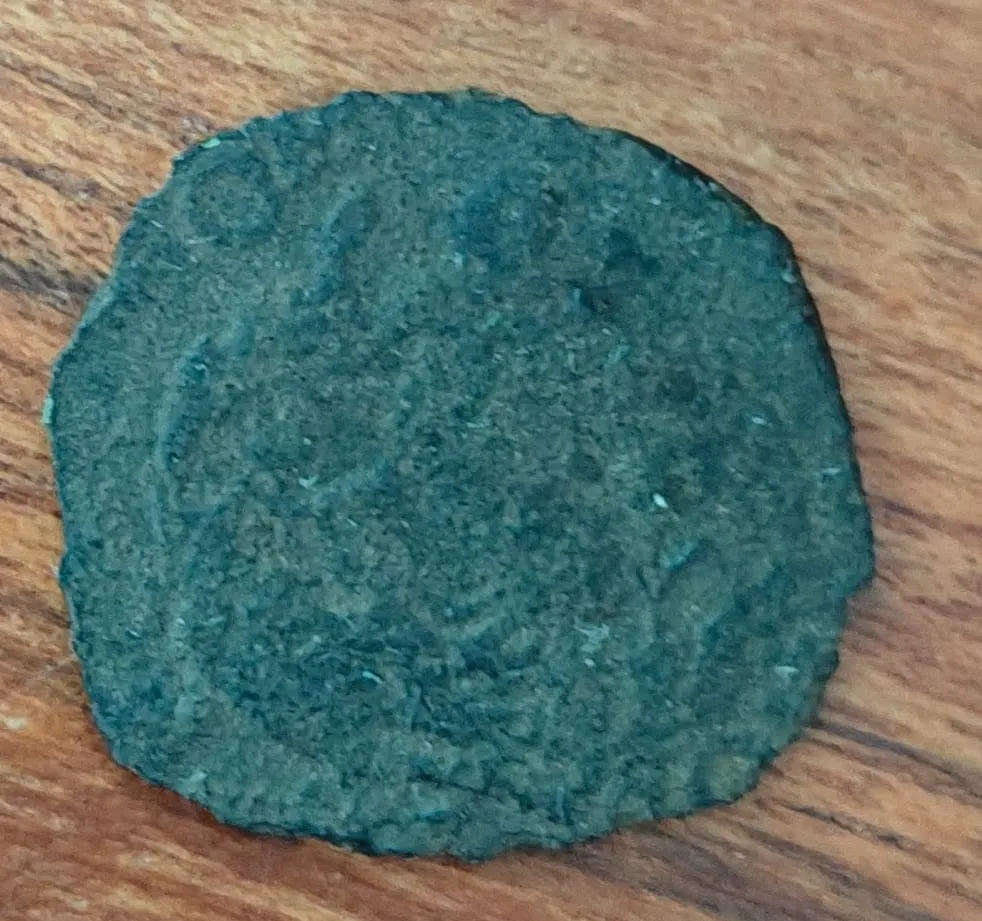
Finds
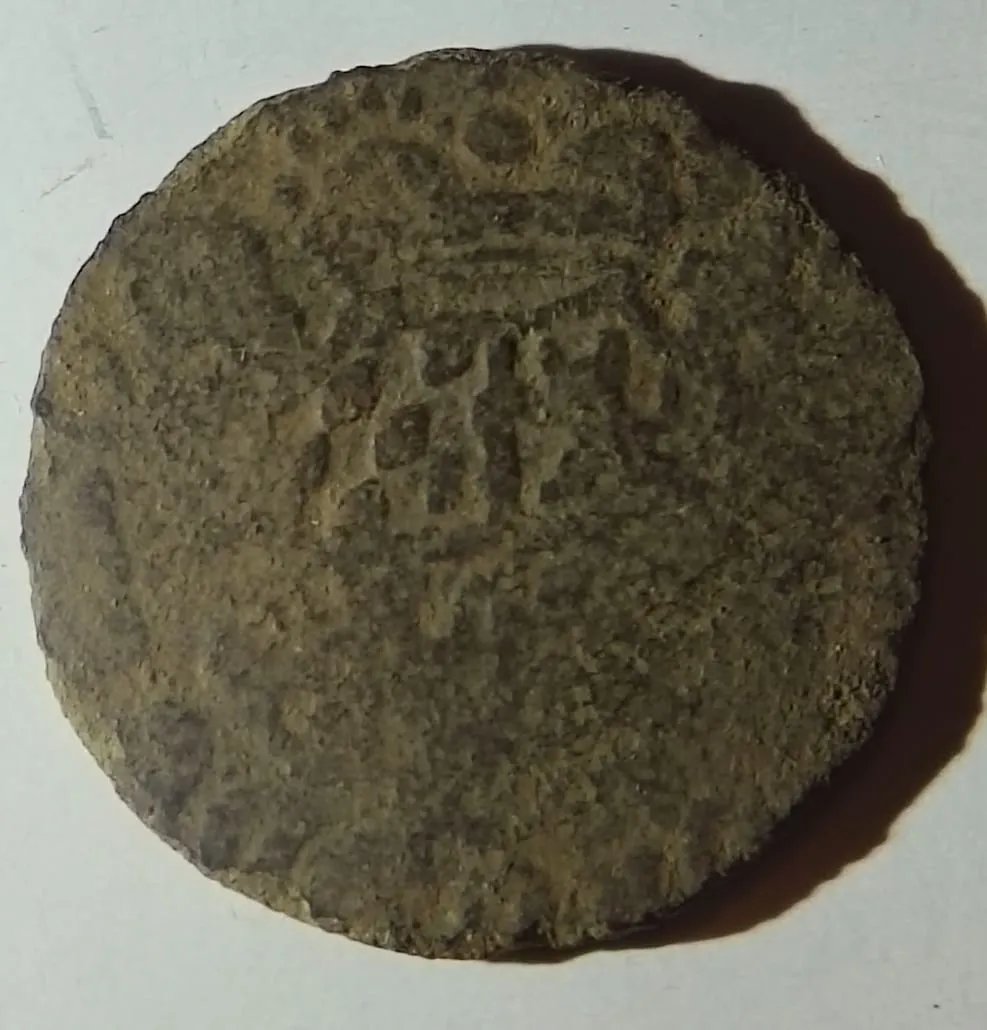
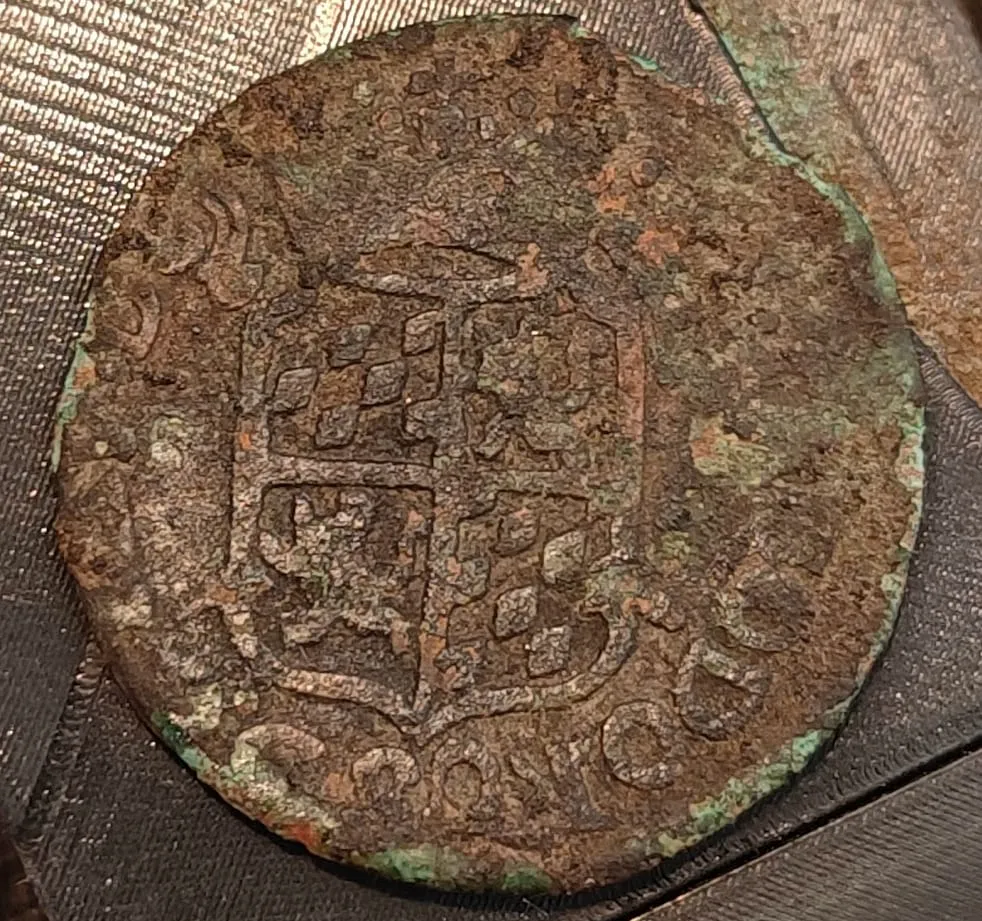
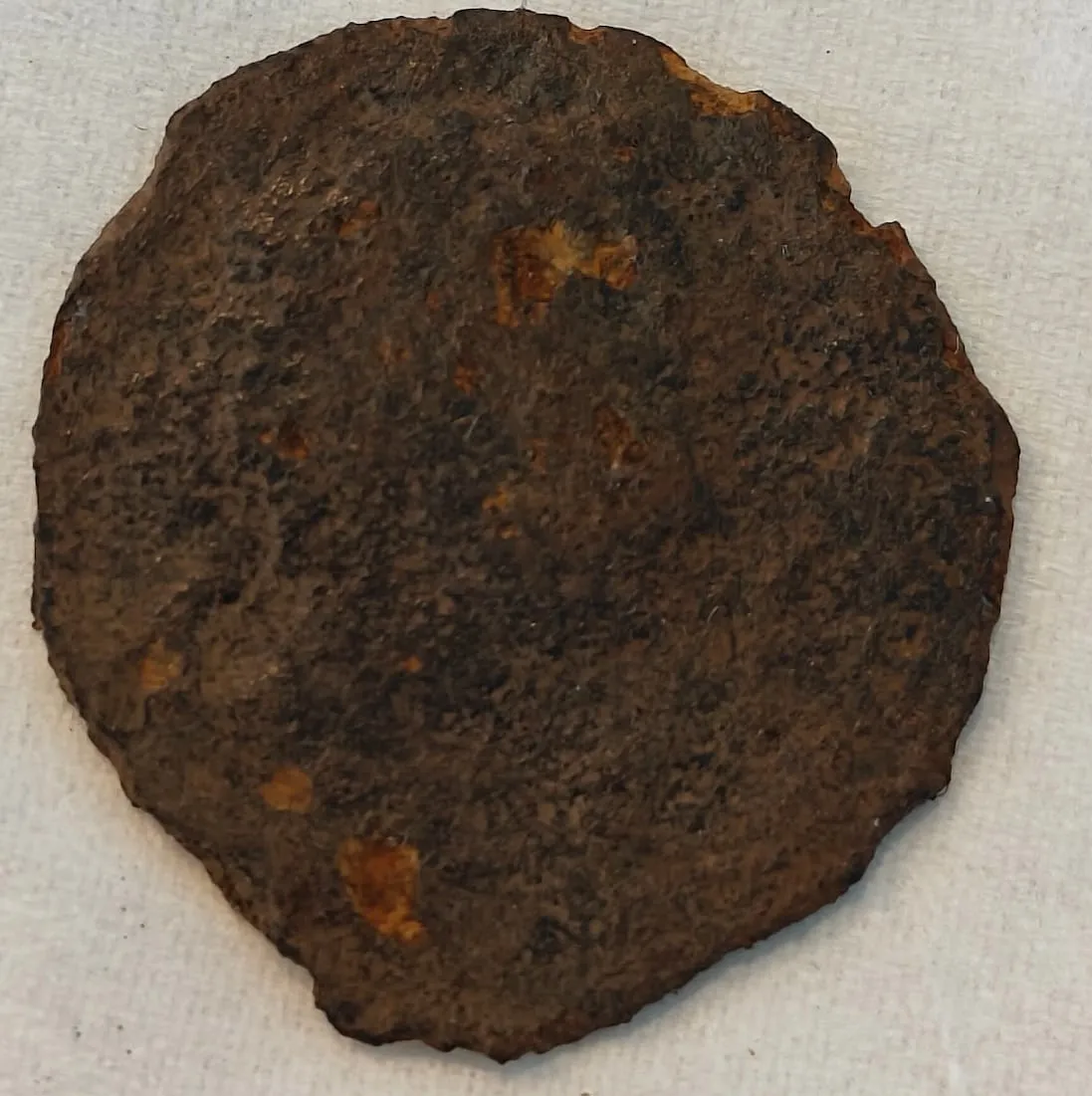
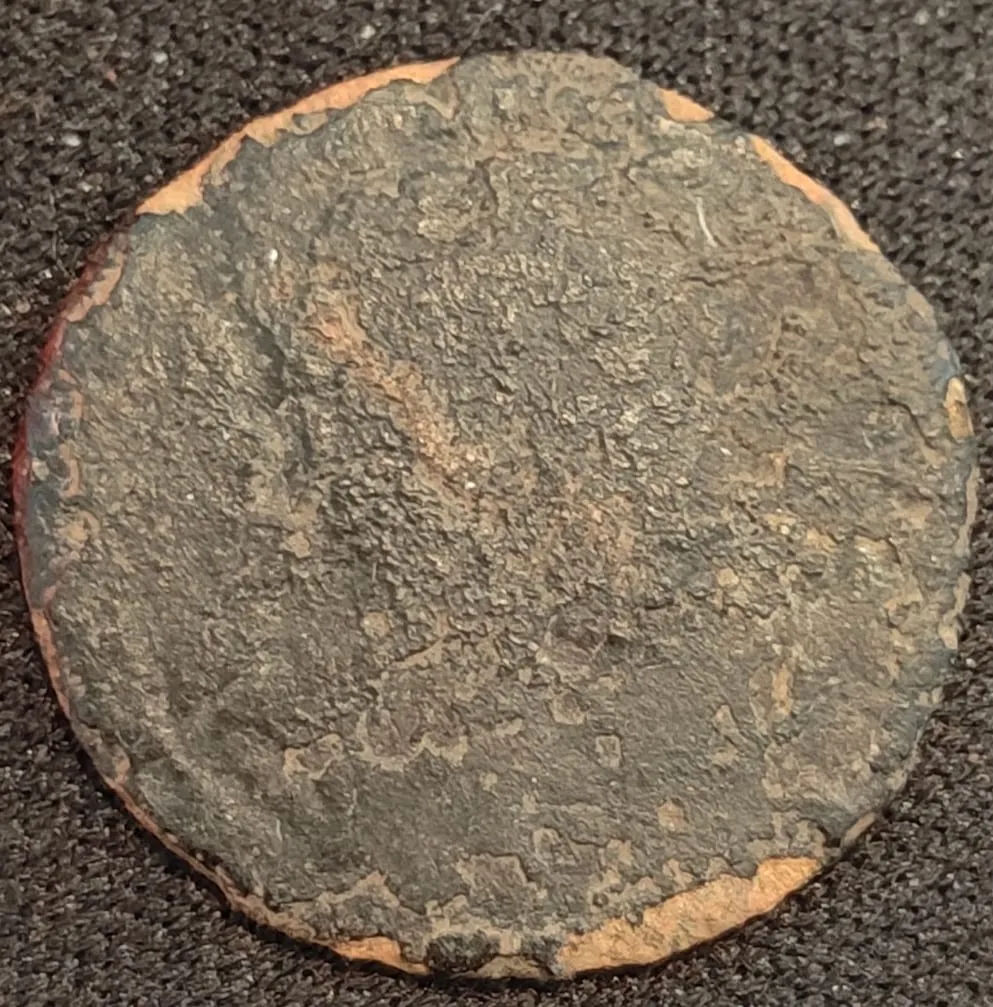
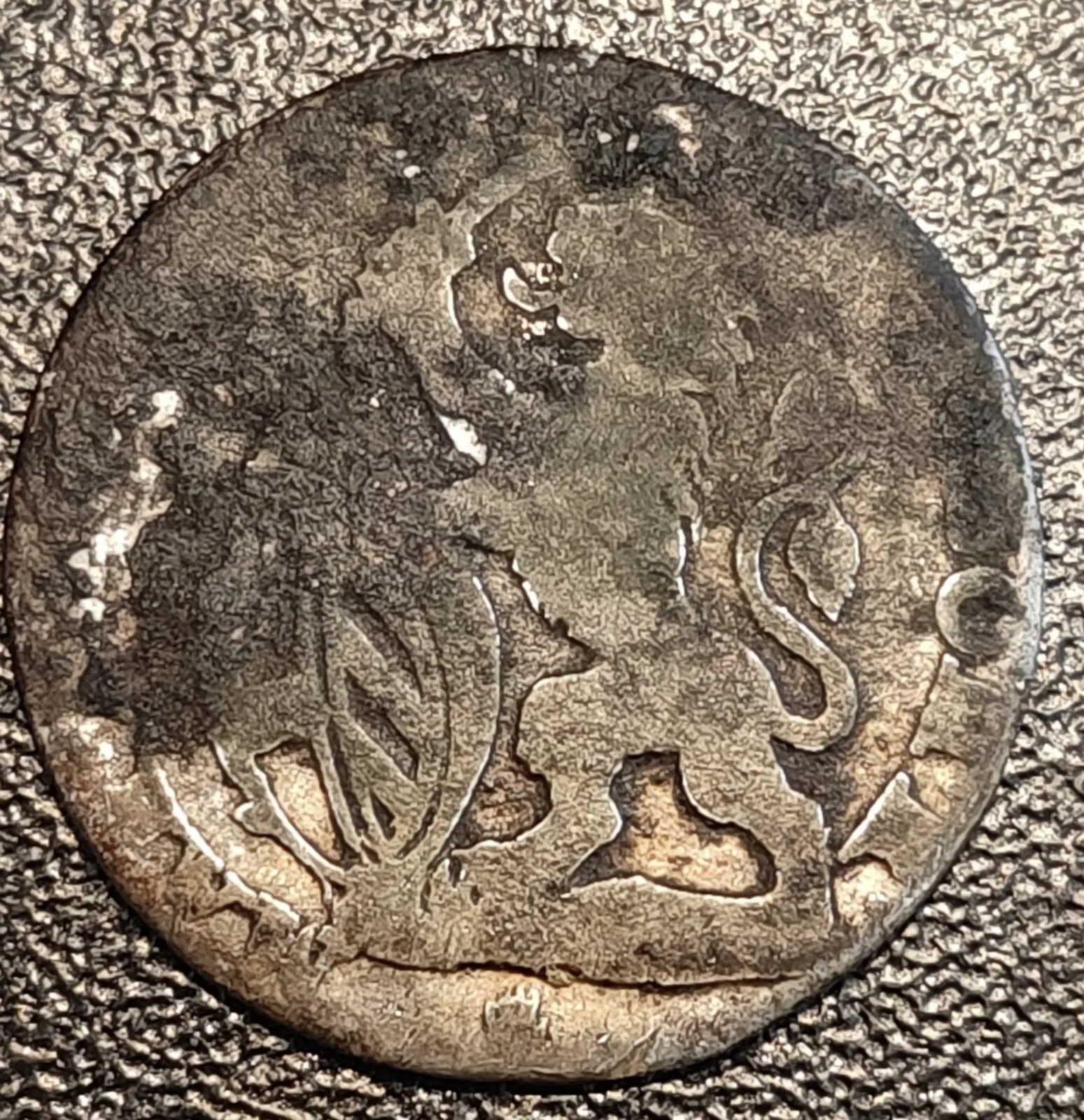
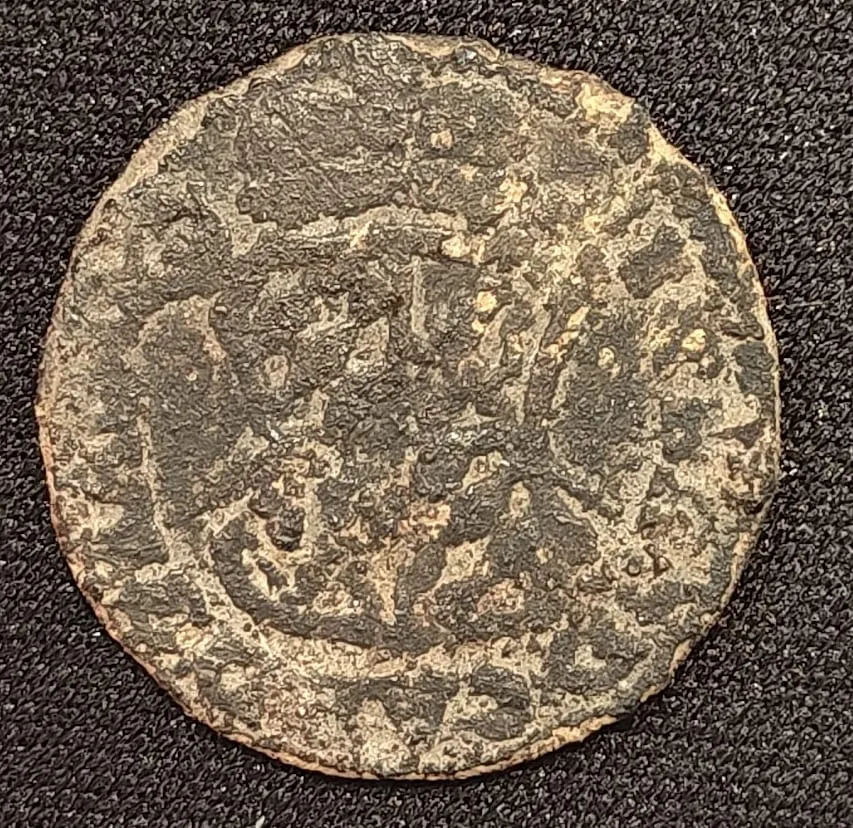
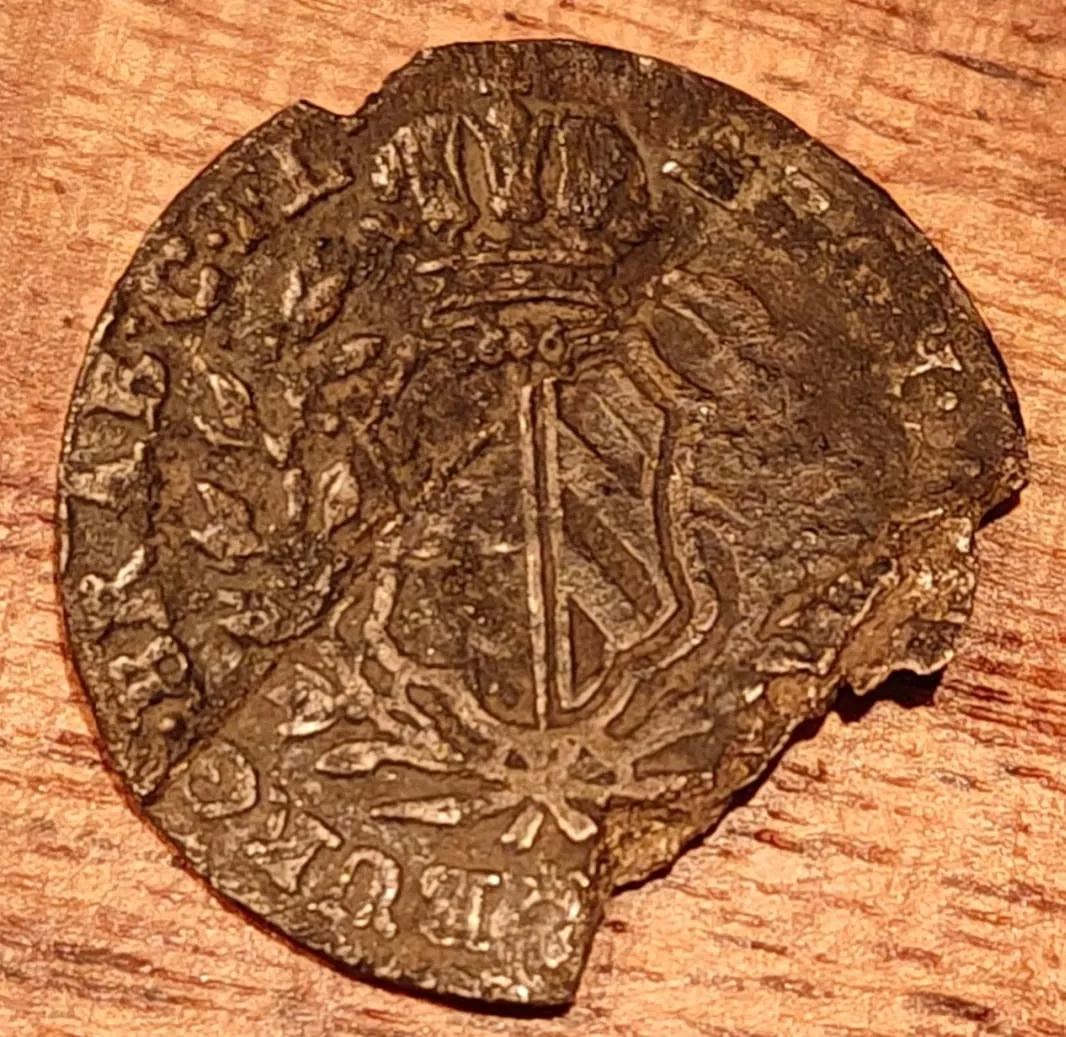
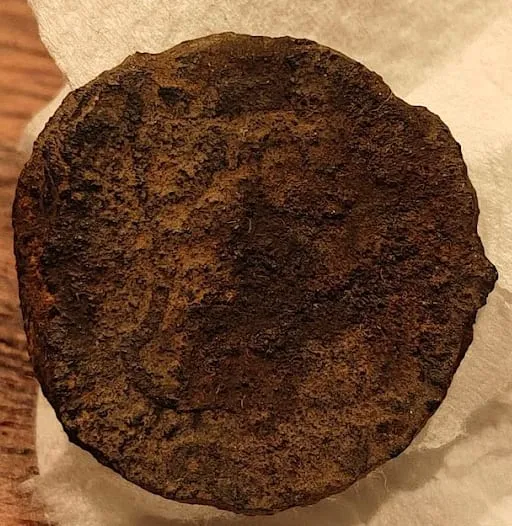
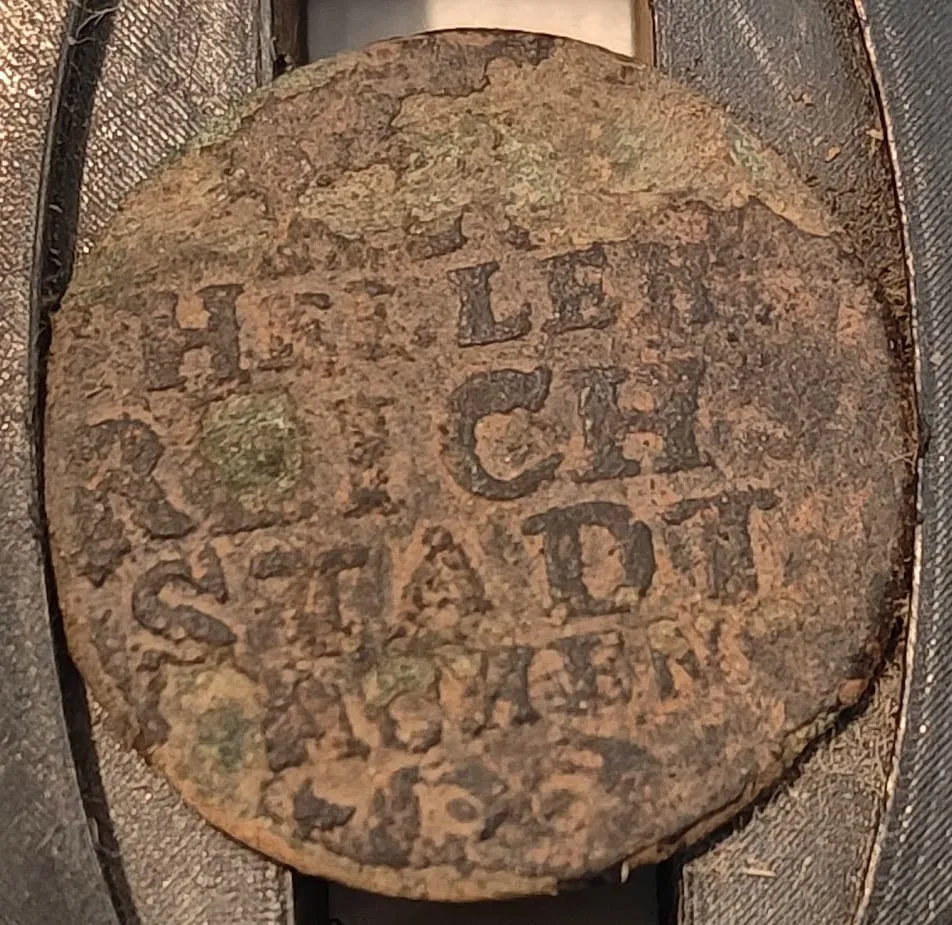
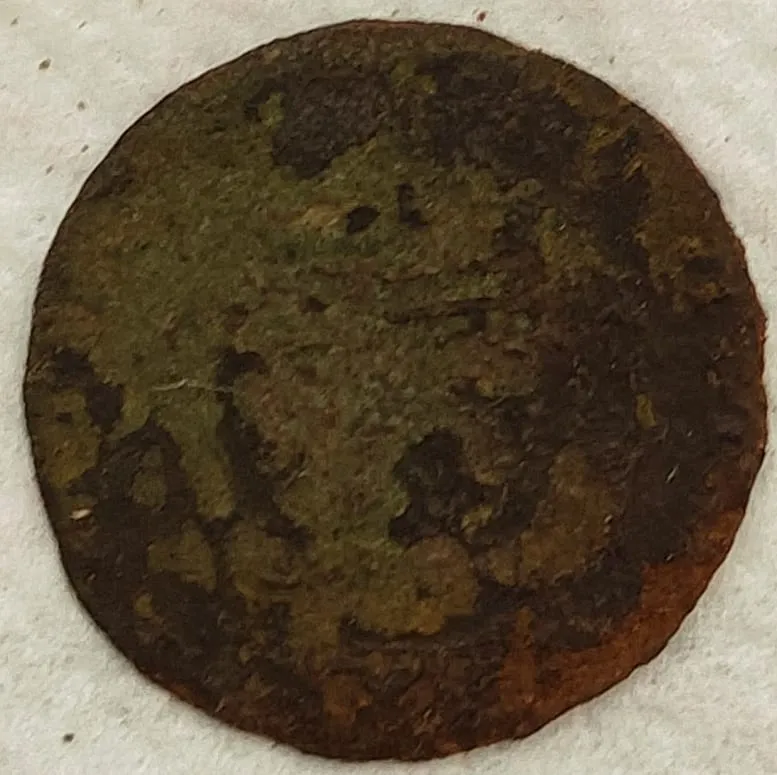
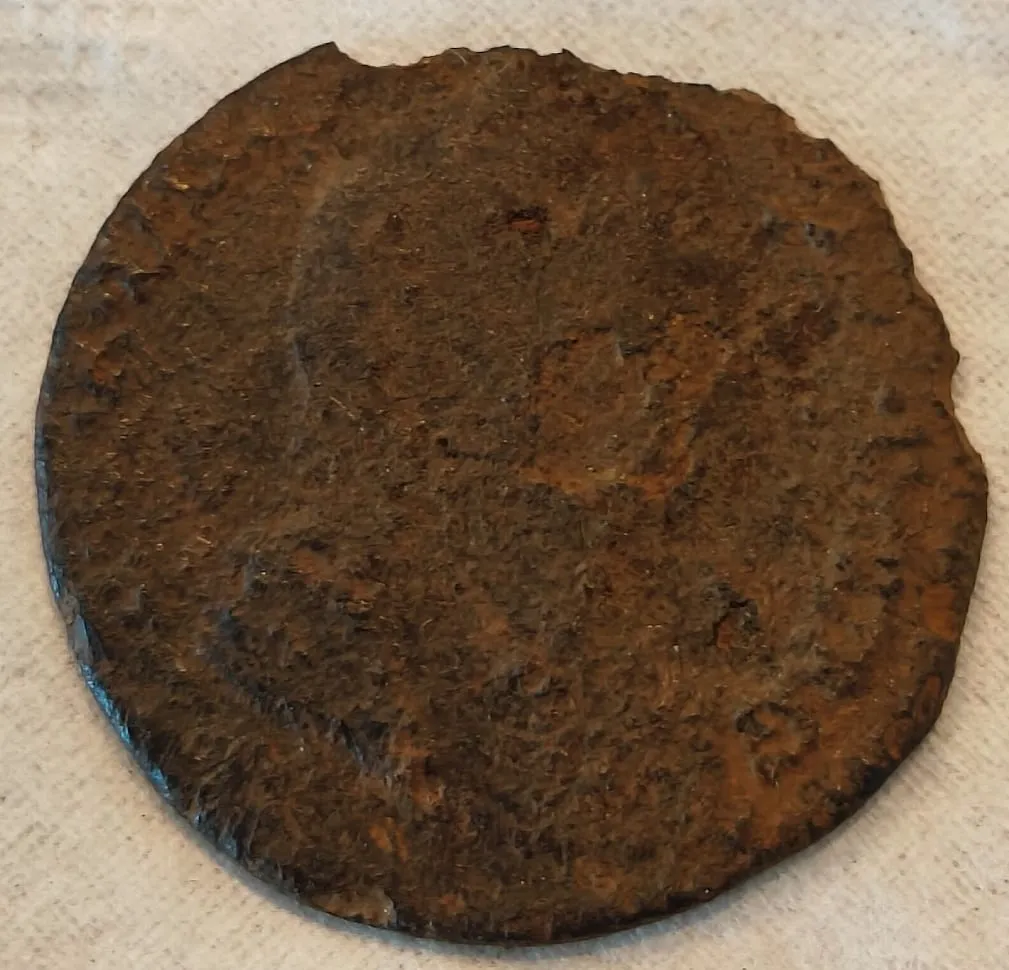
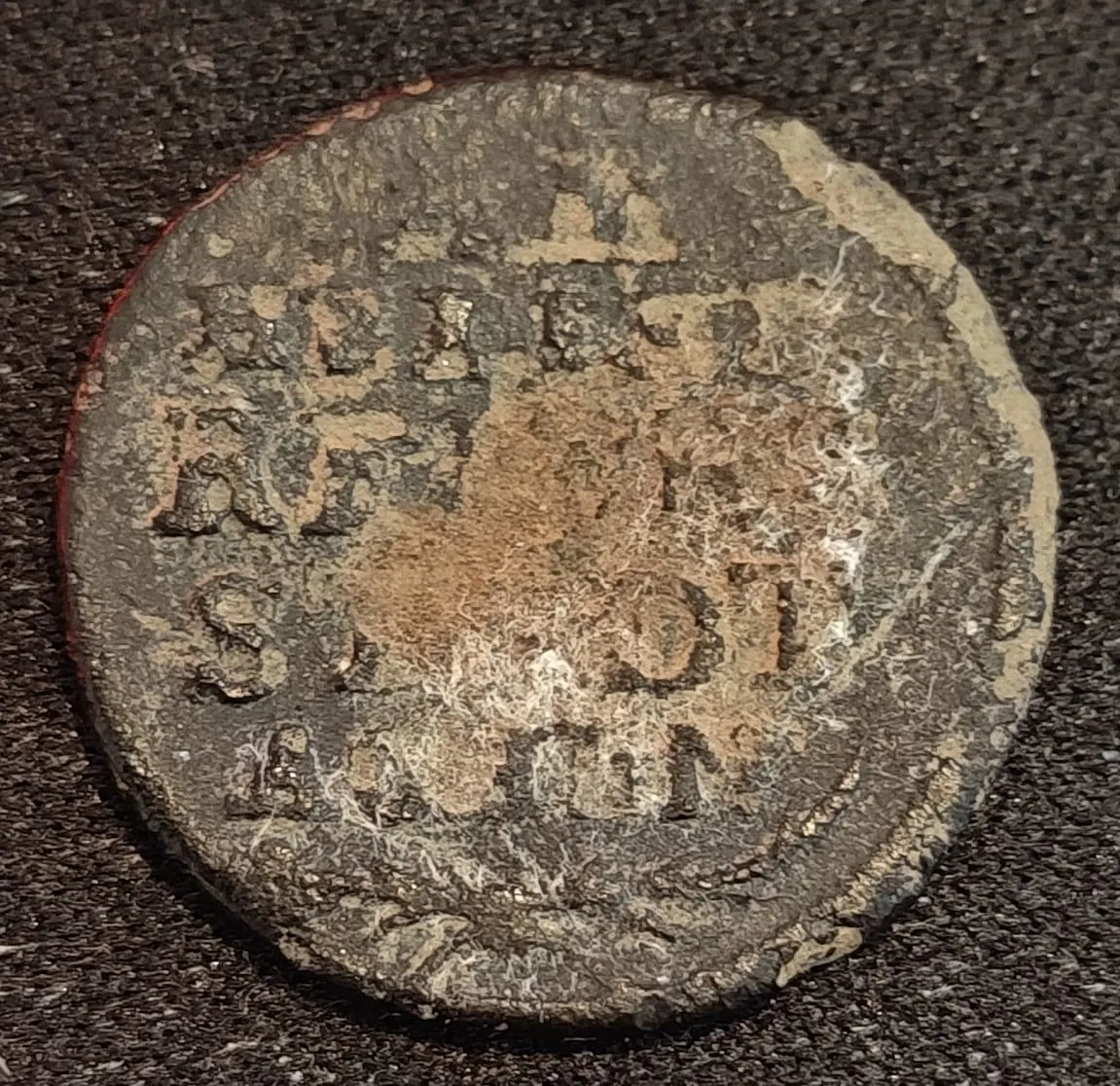
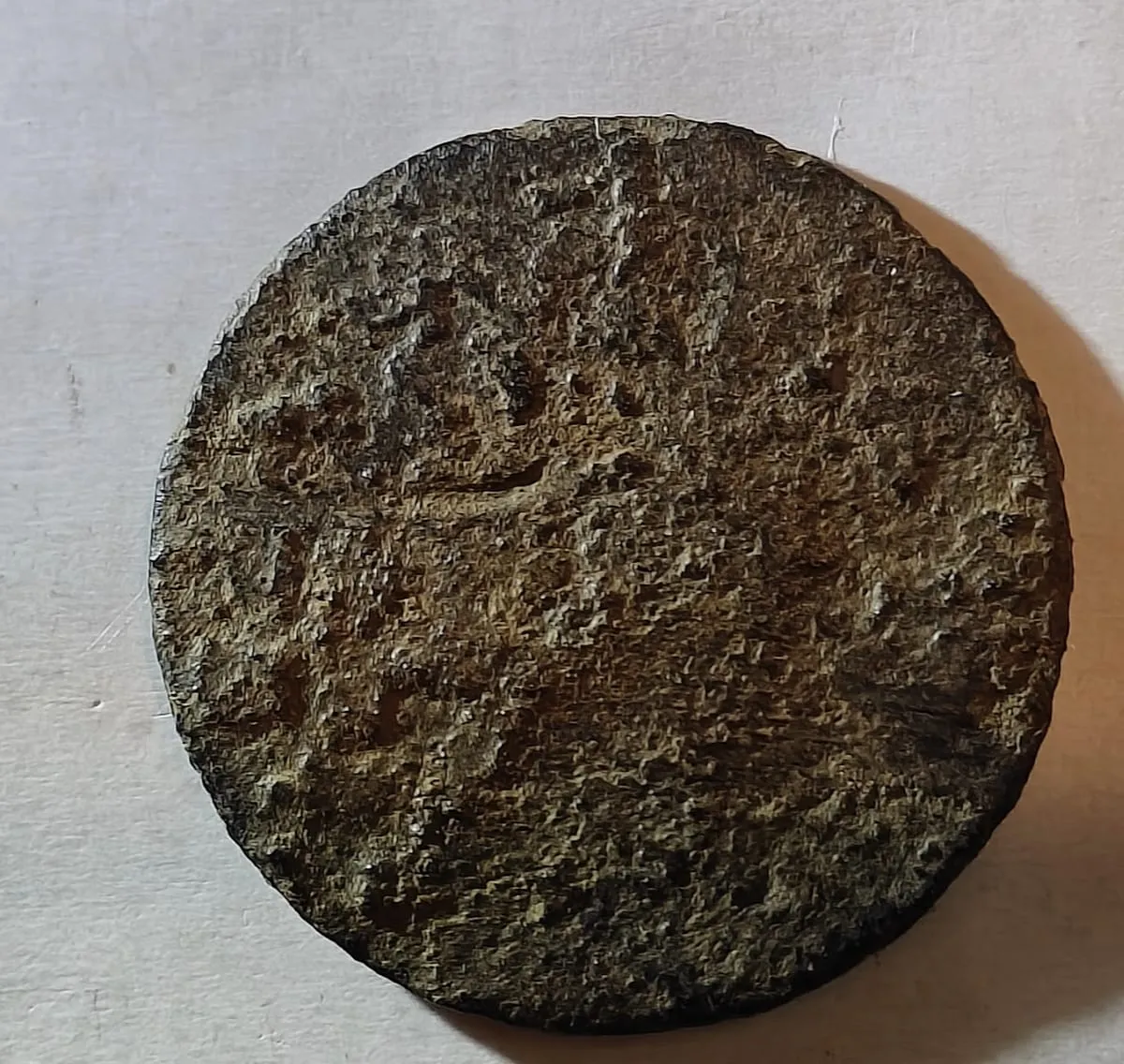
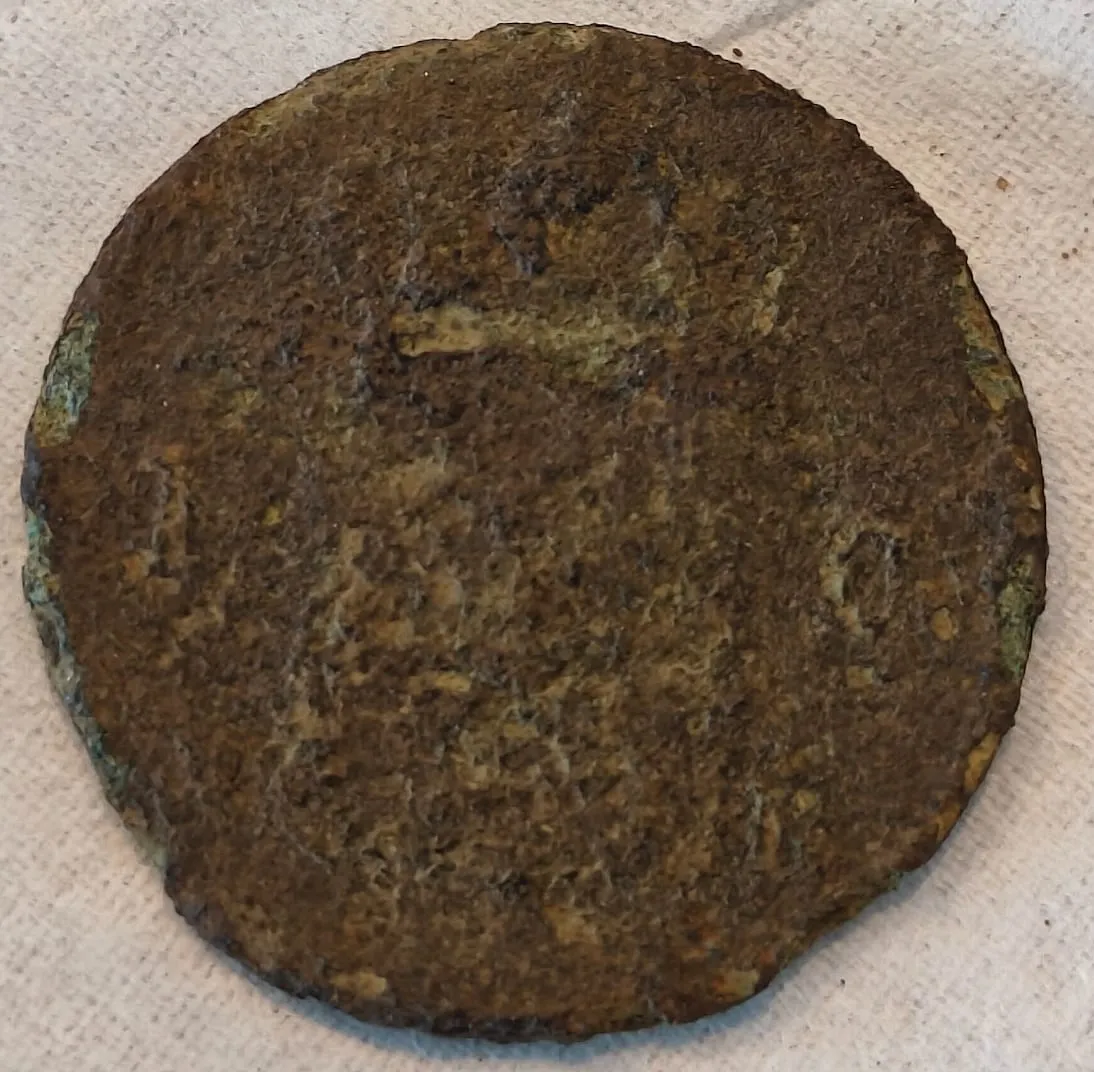
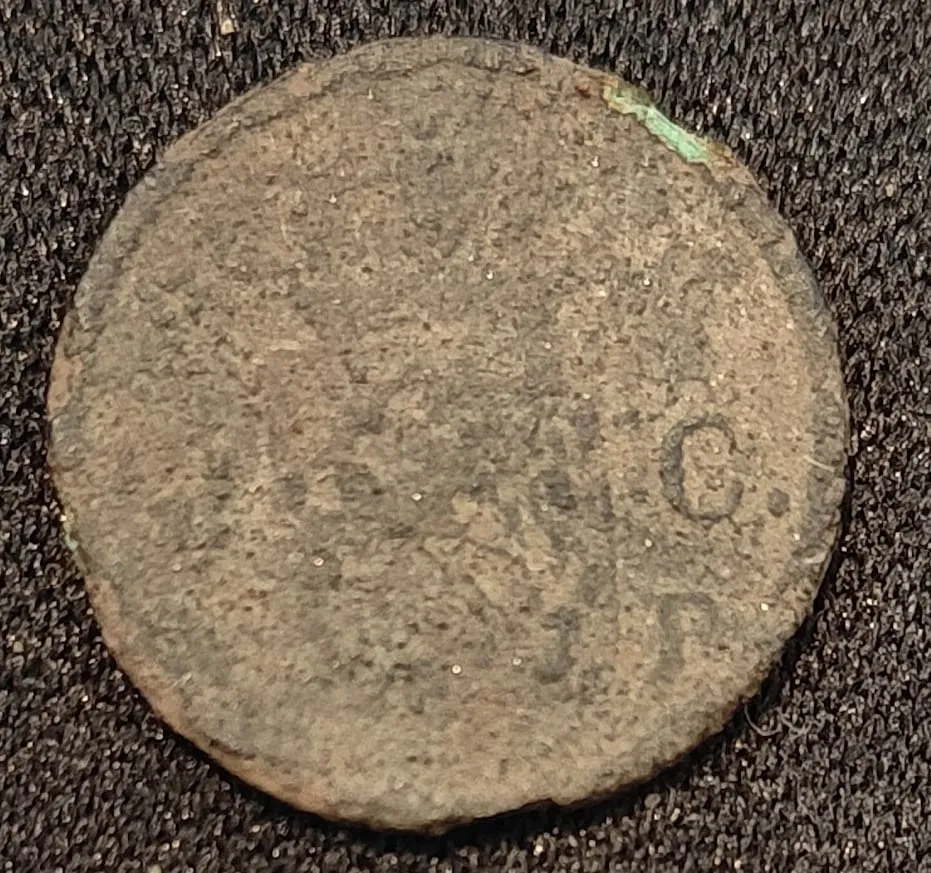
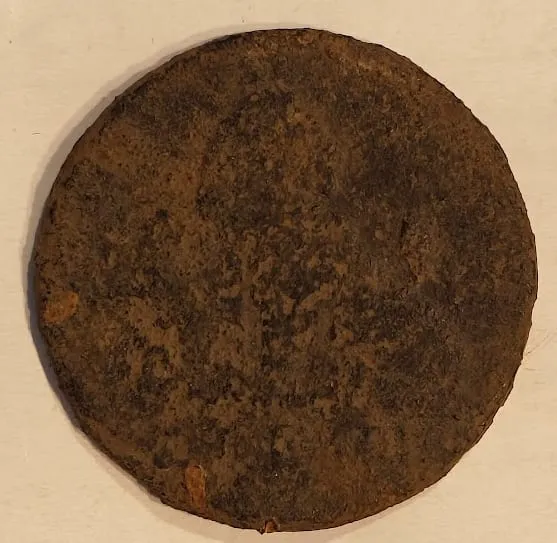
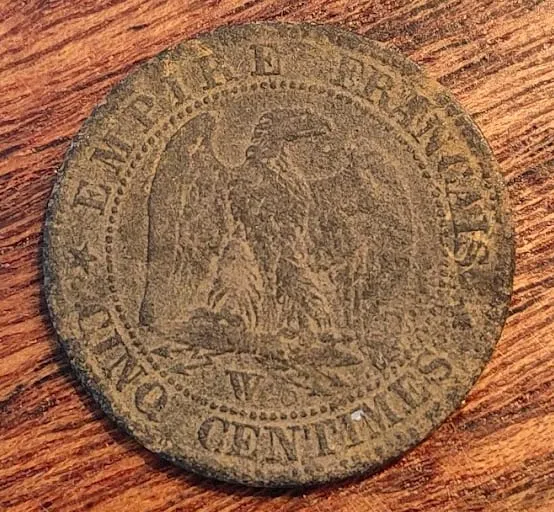
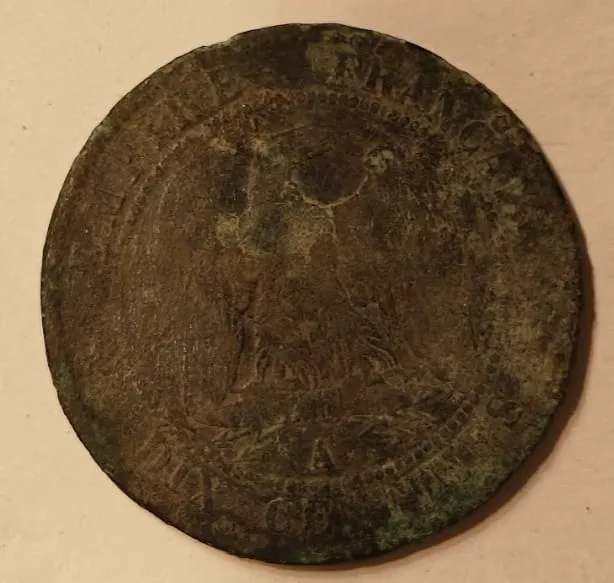
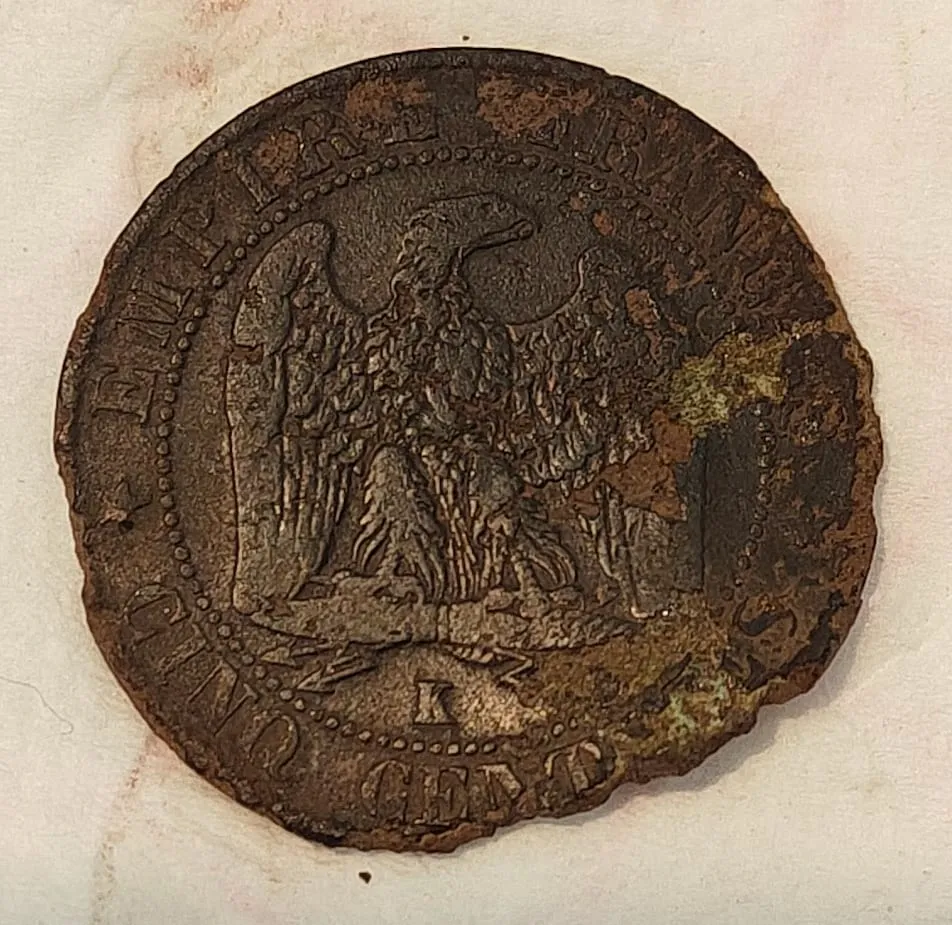
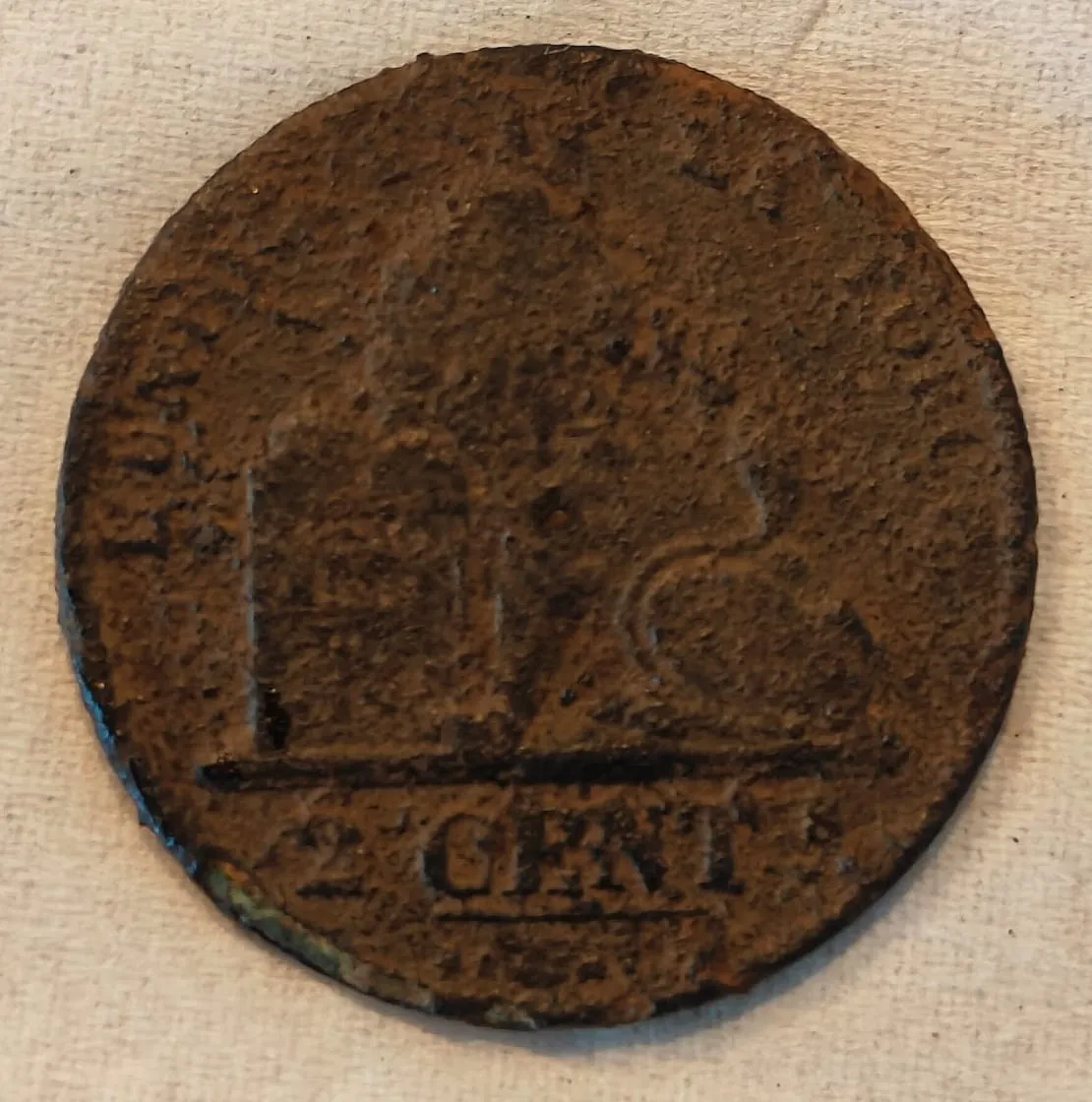
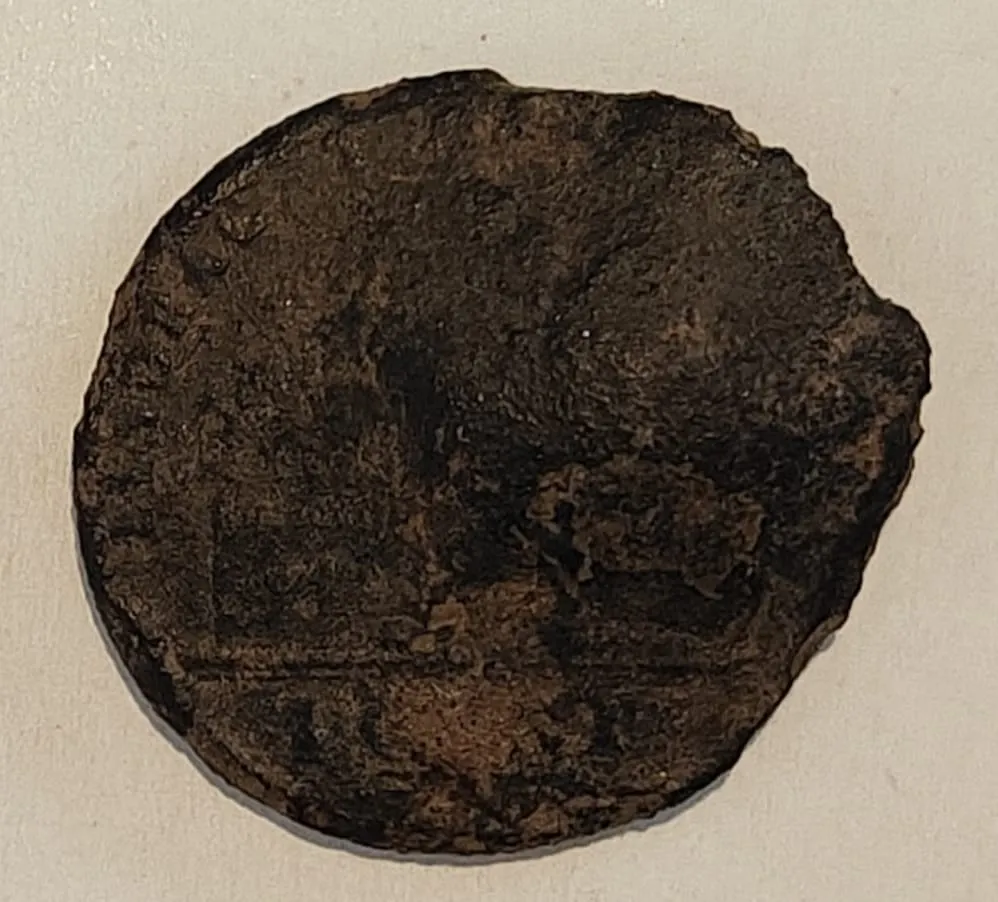
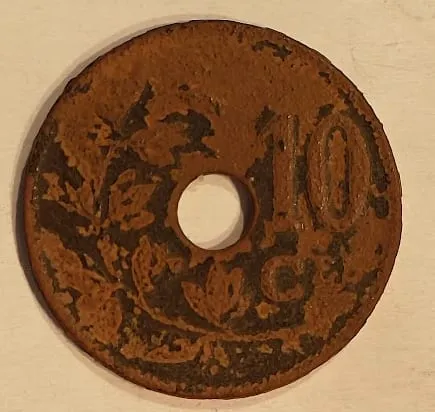
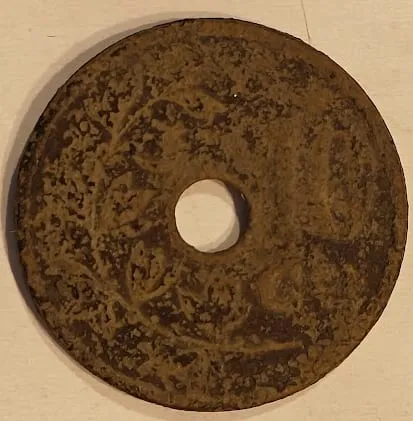
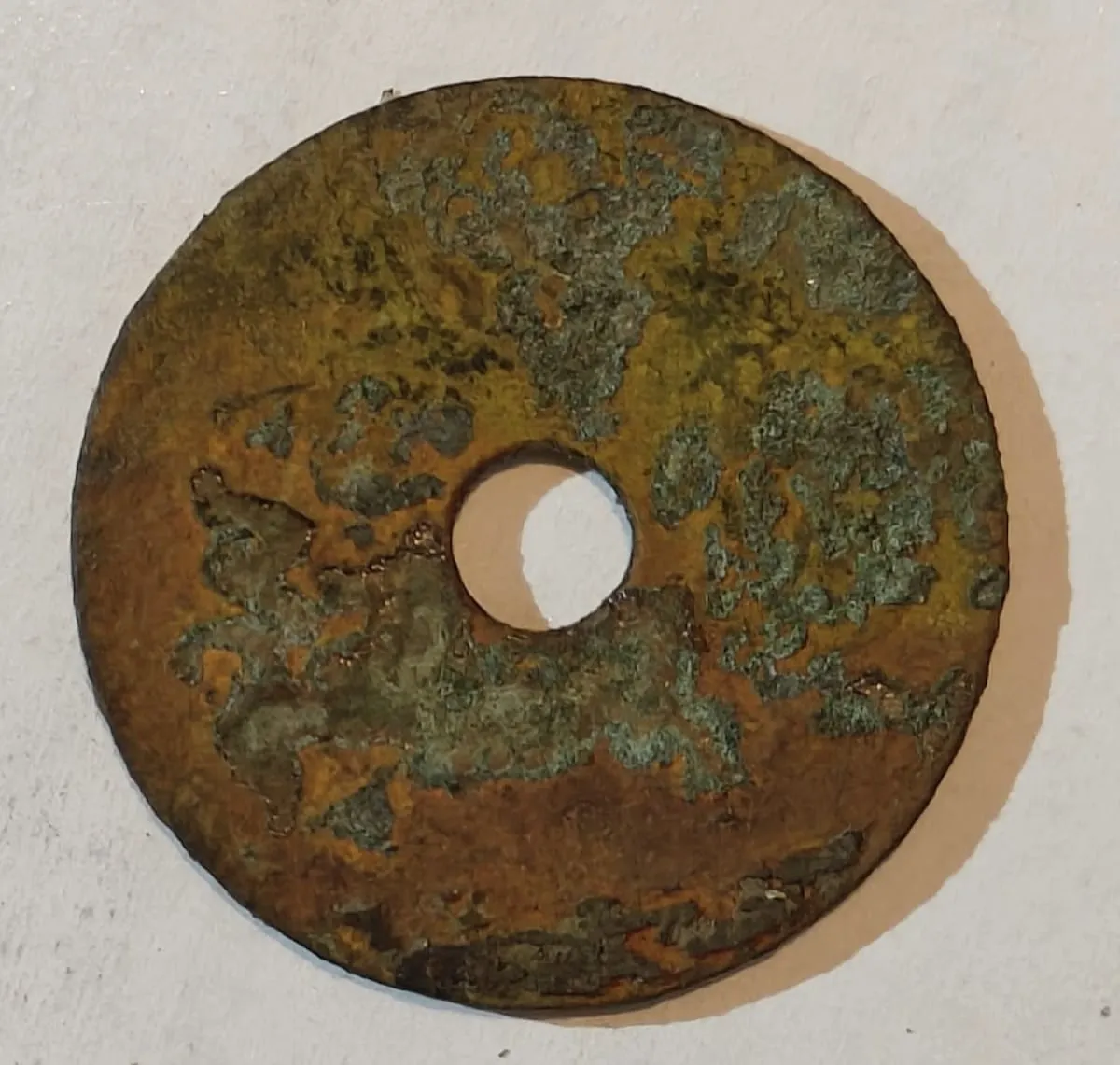
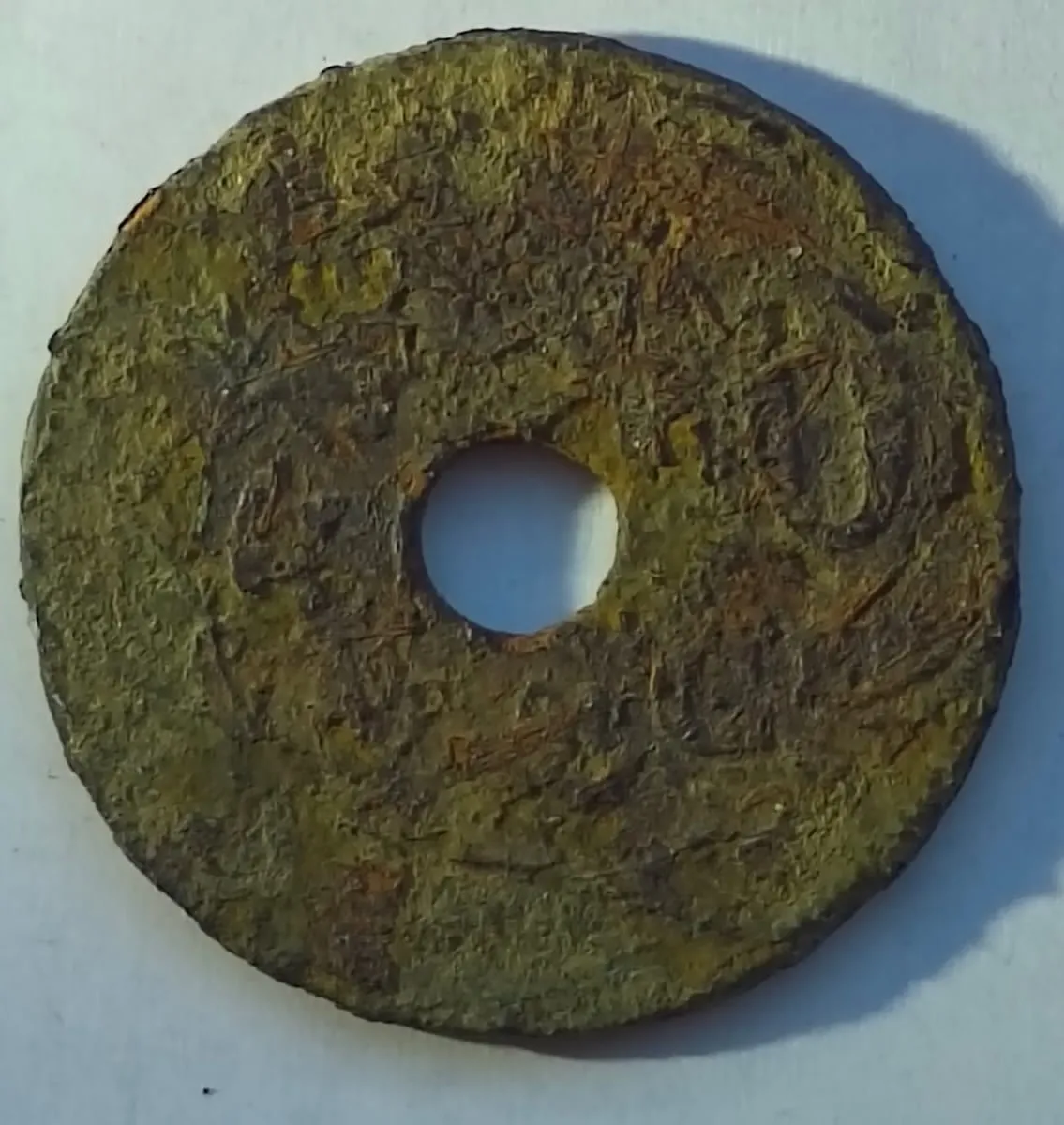
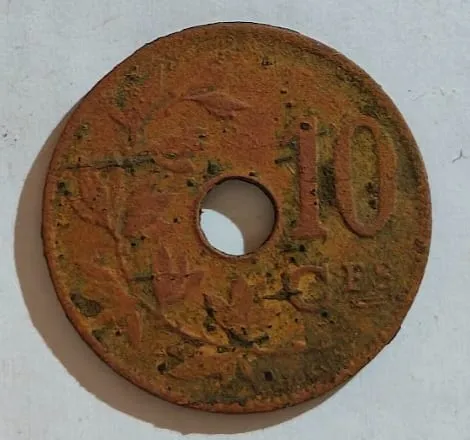
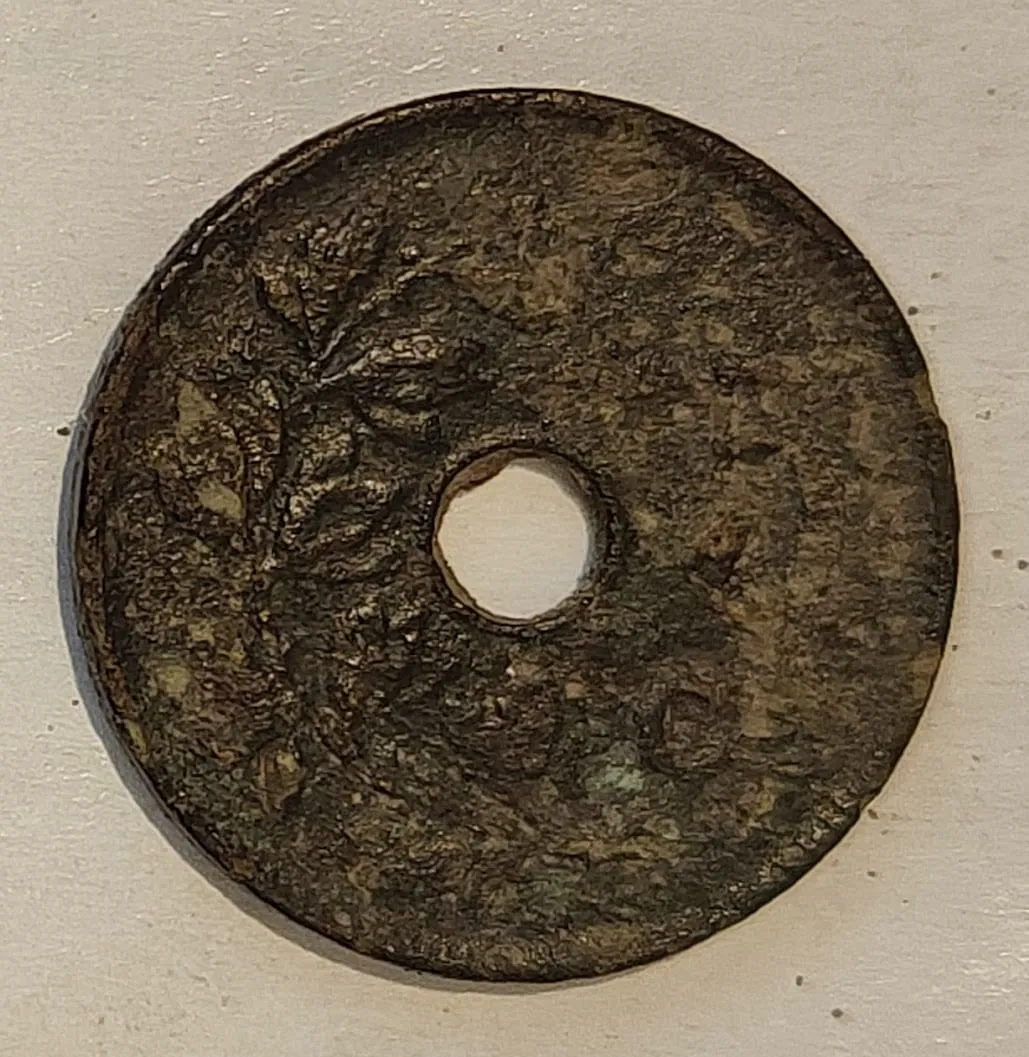
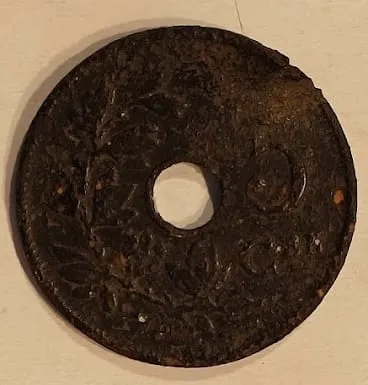
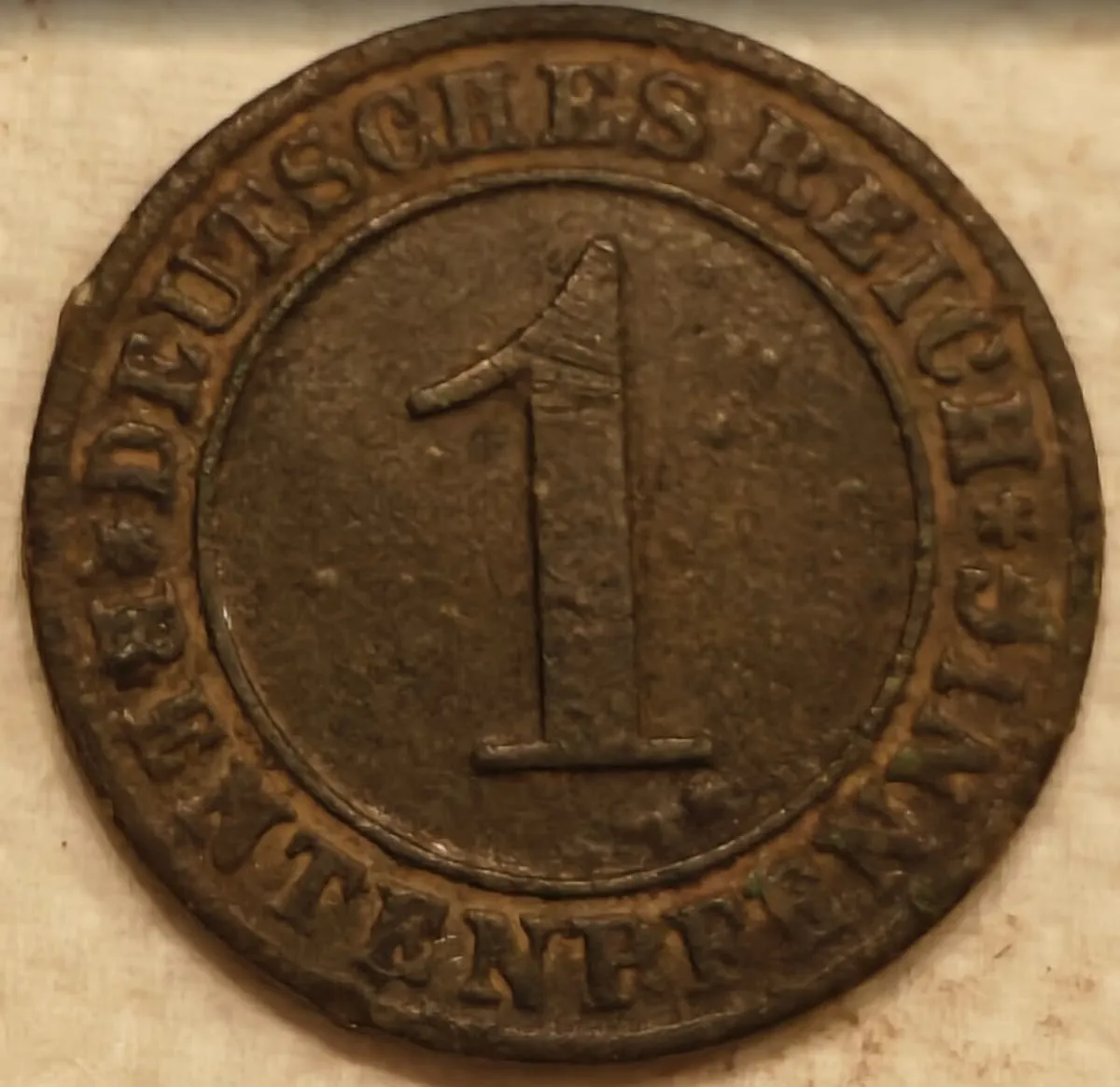
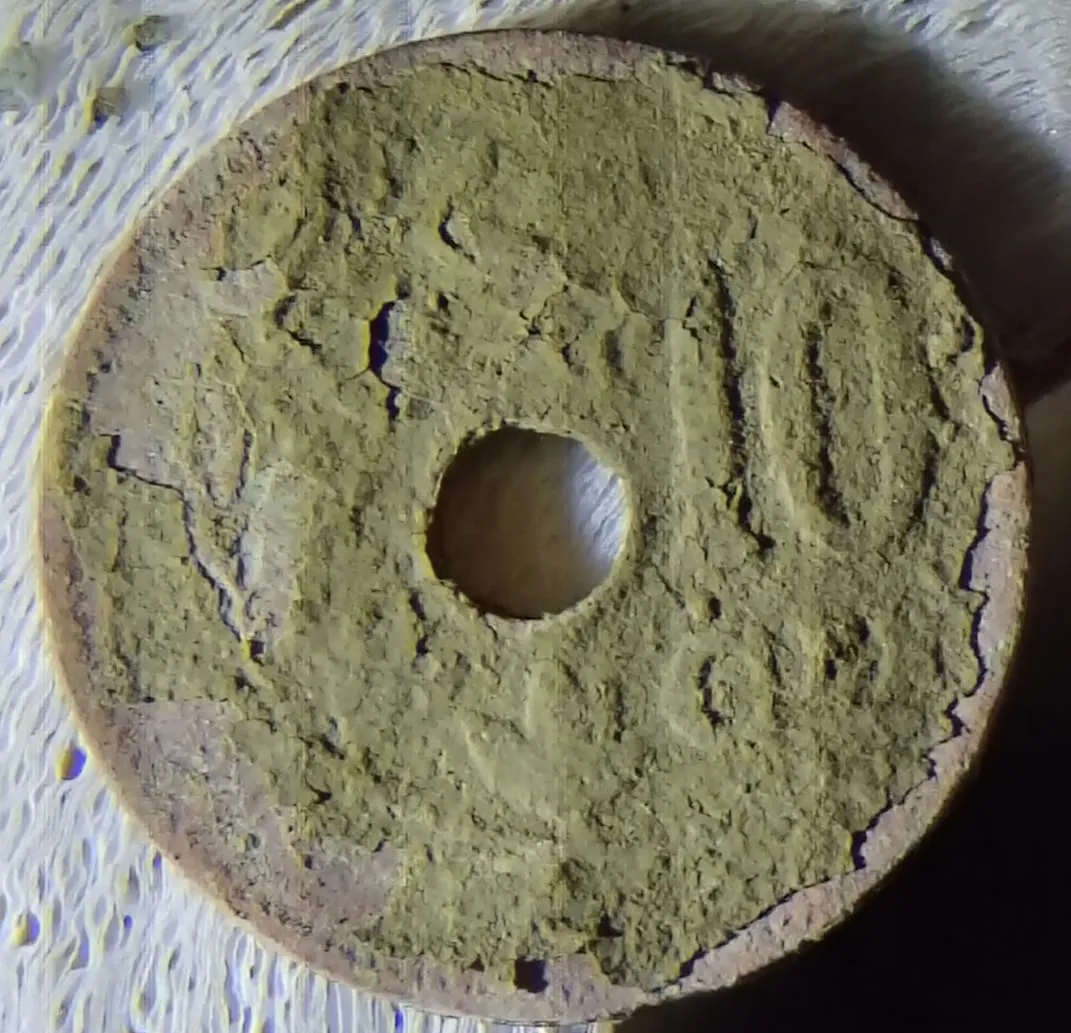
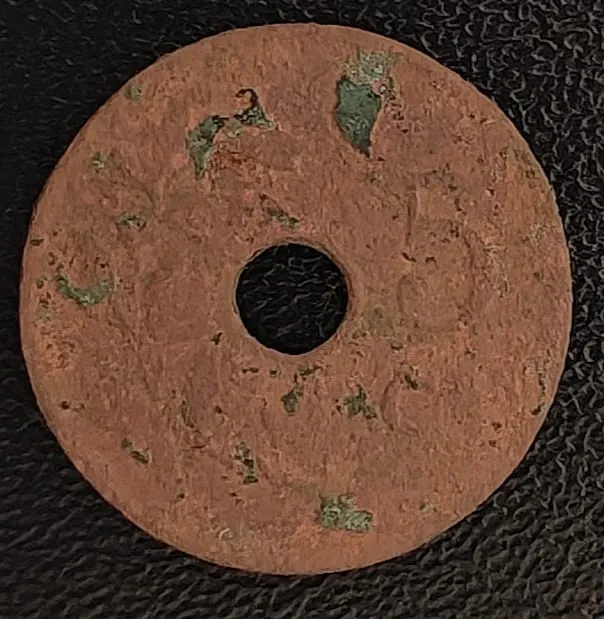
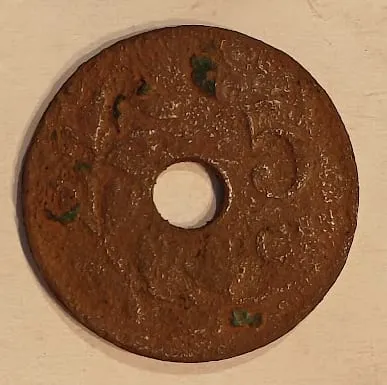
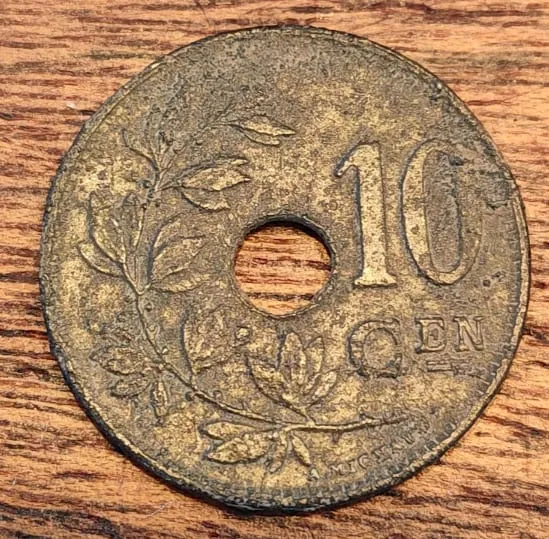
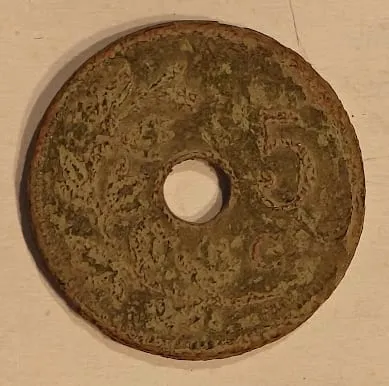
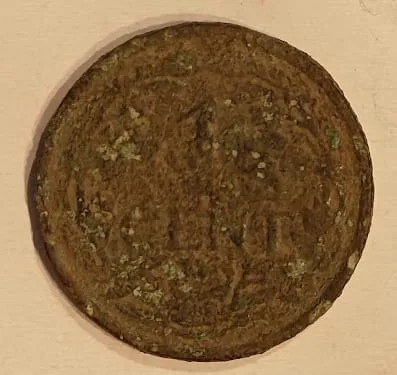
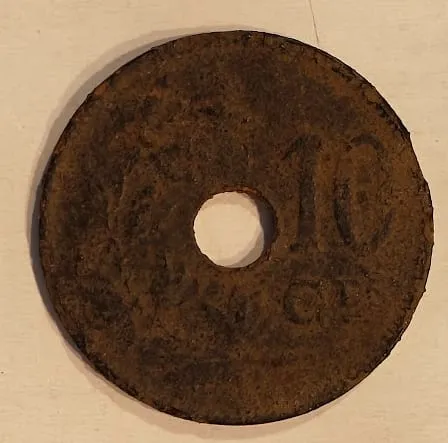
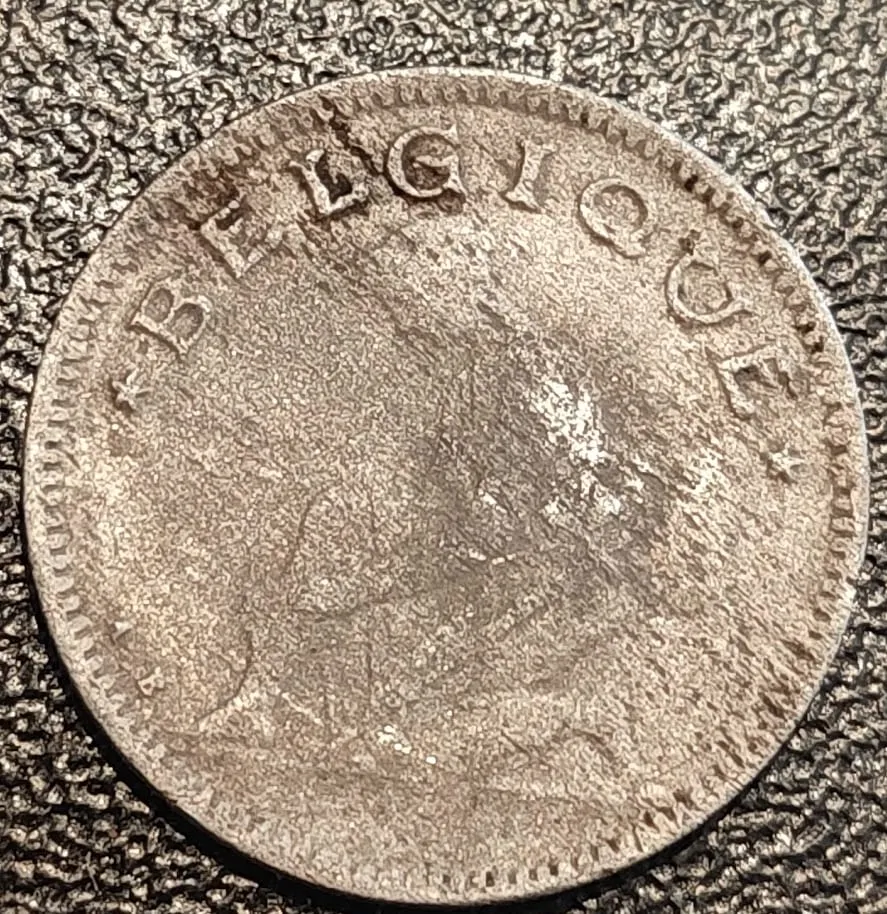
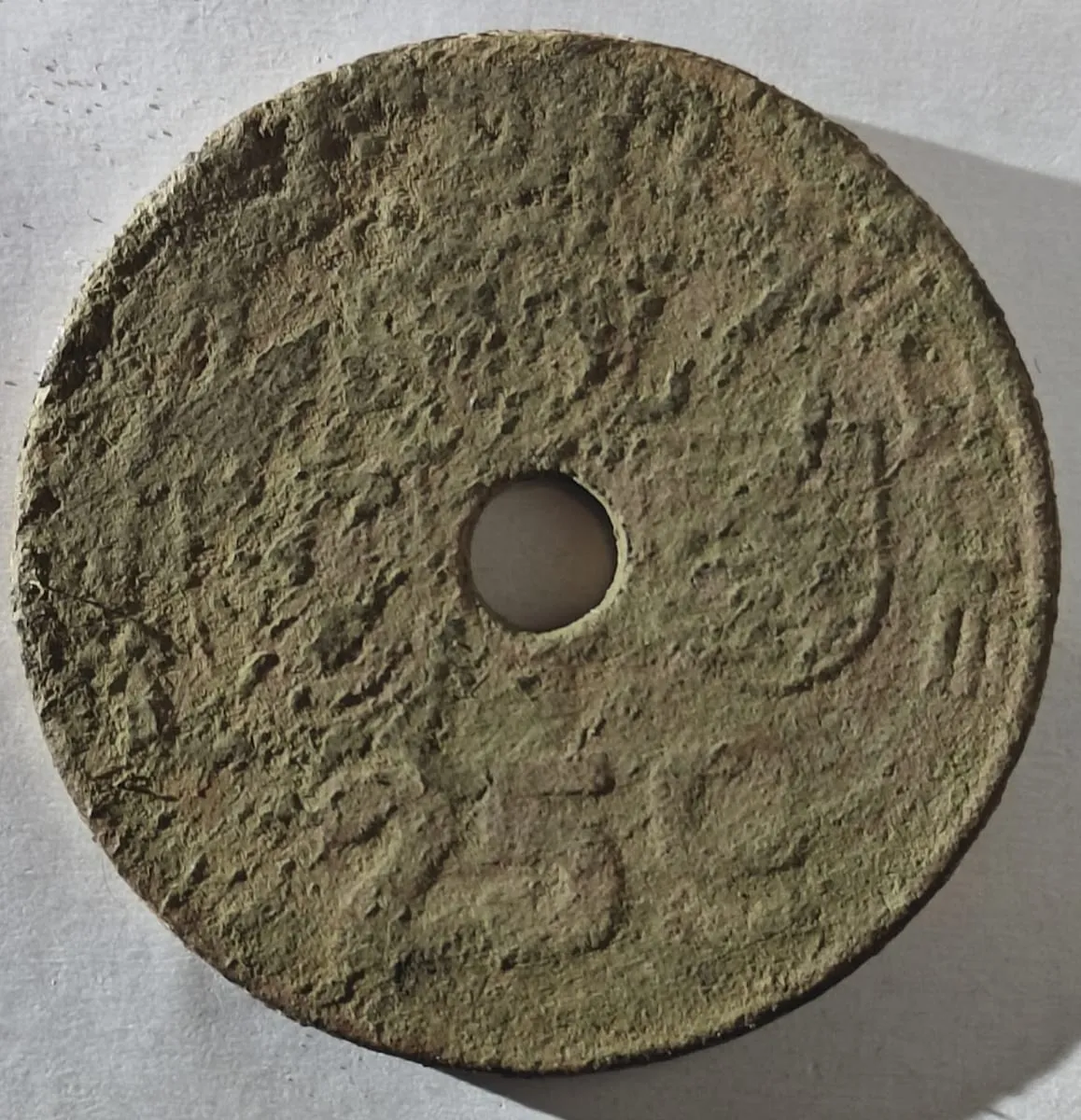
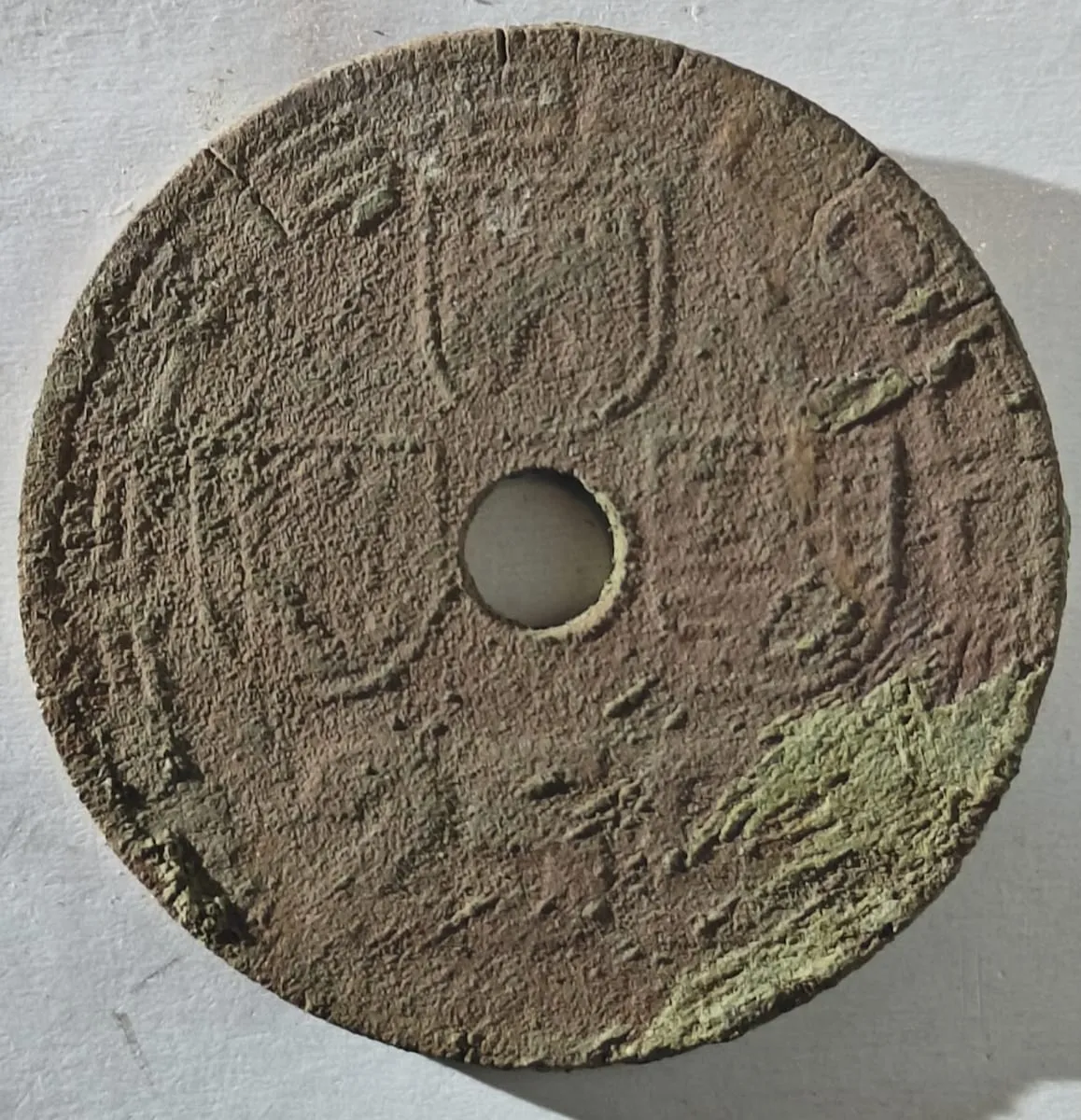
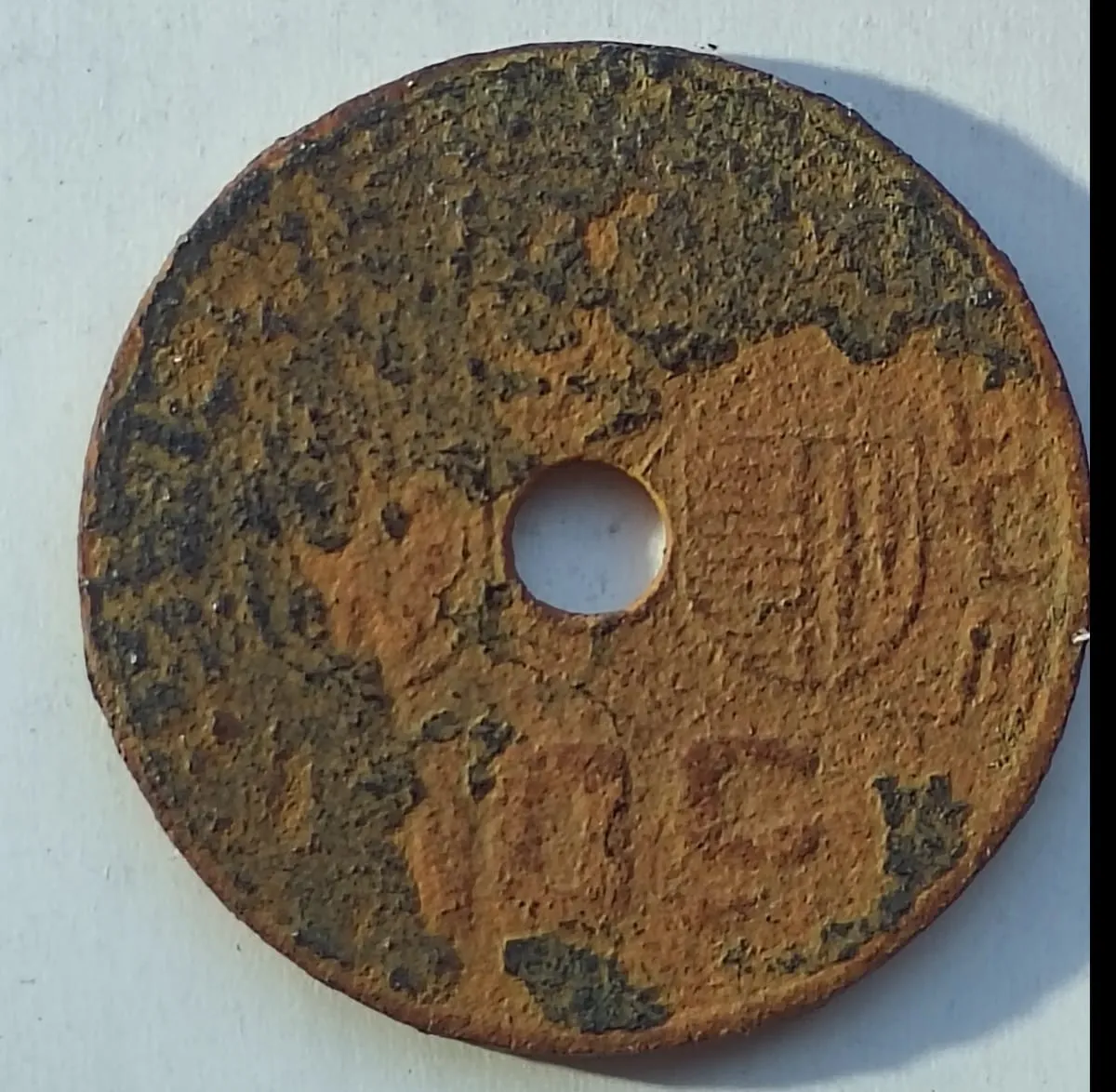
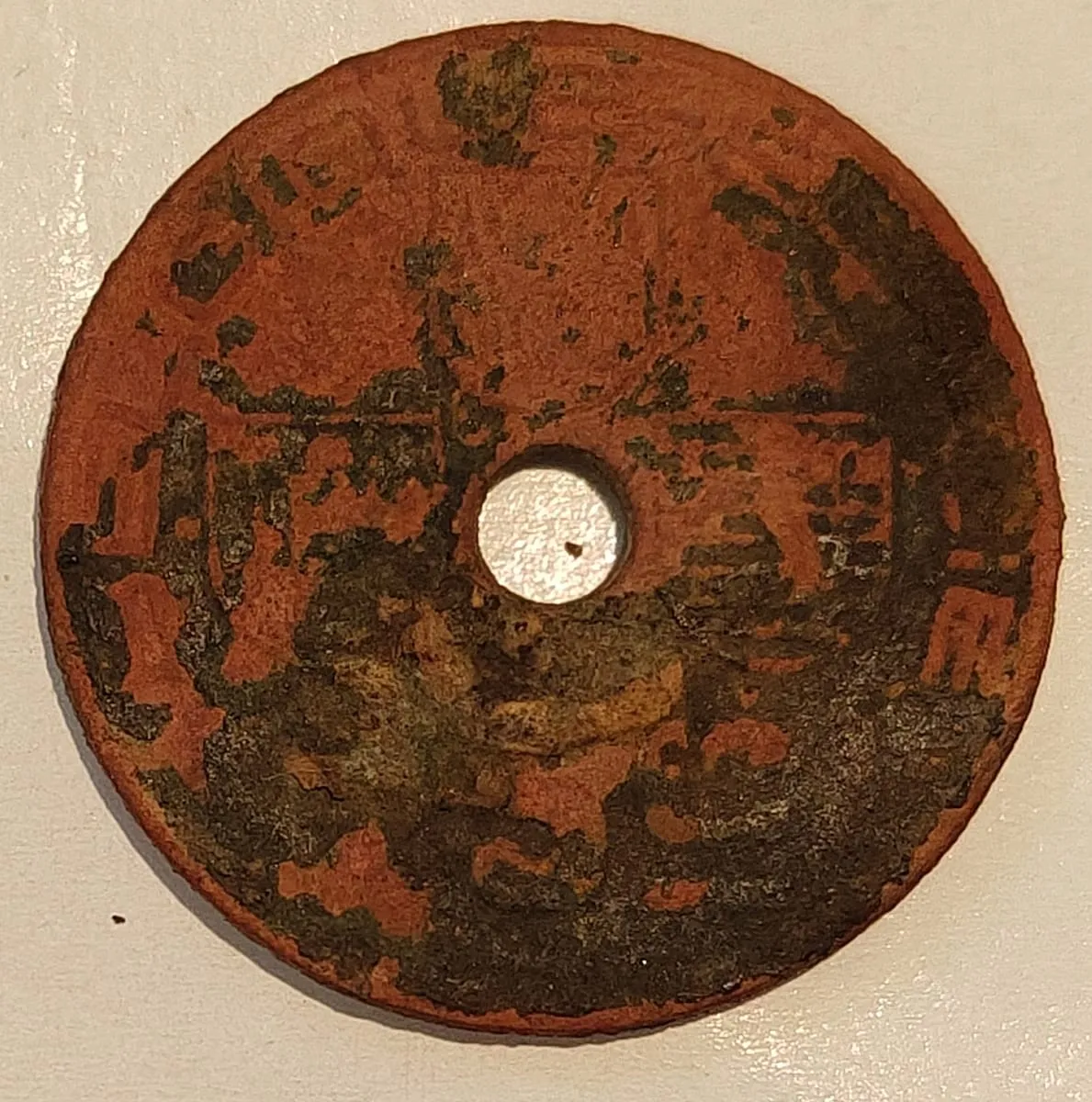
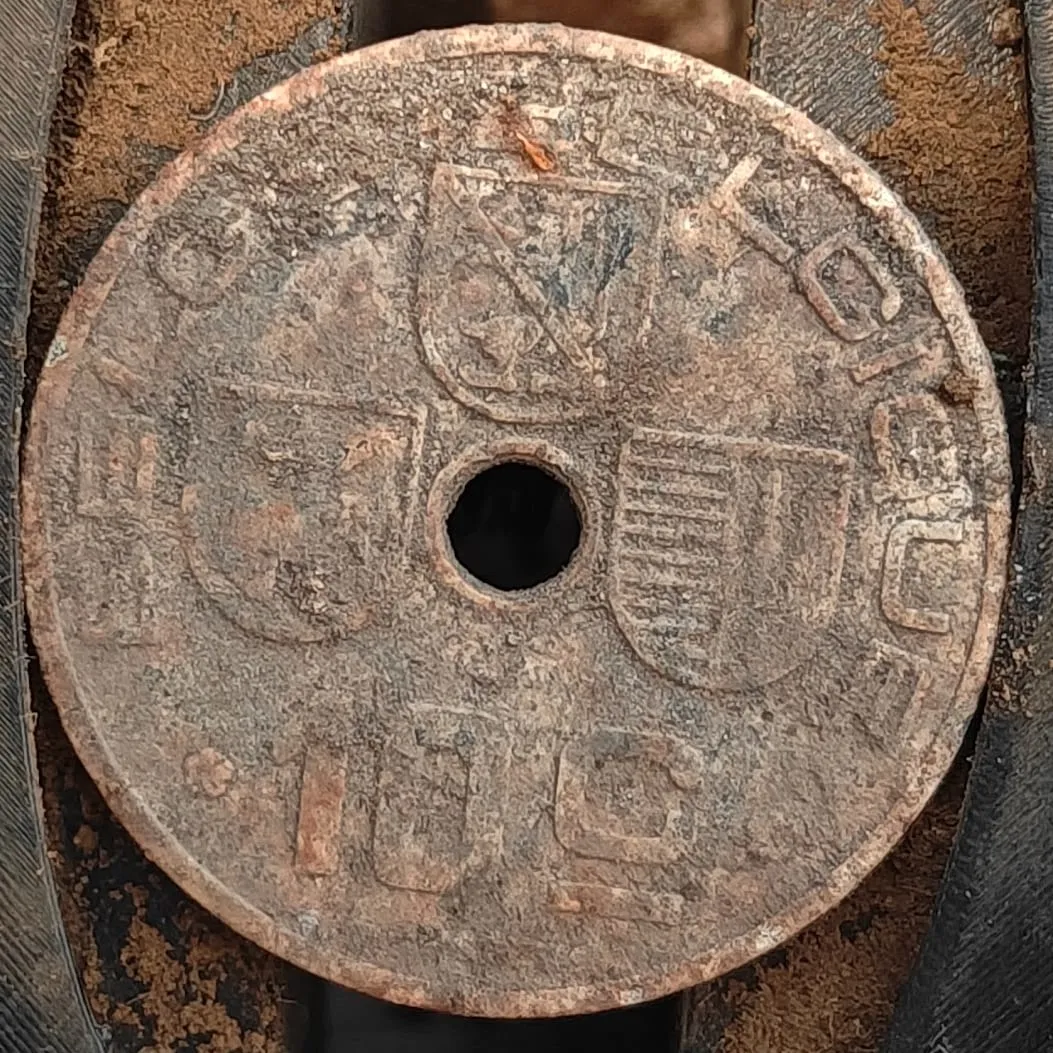
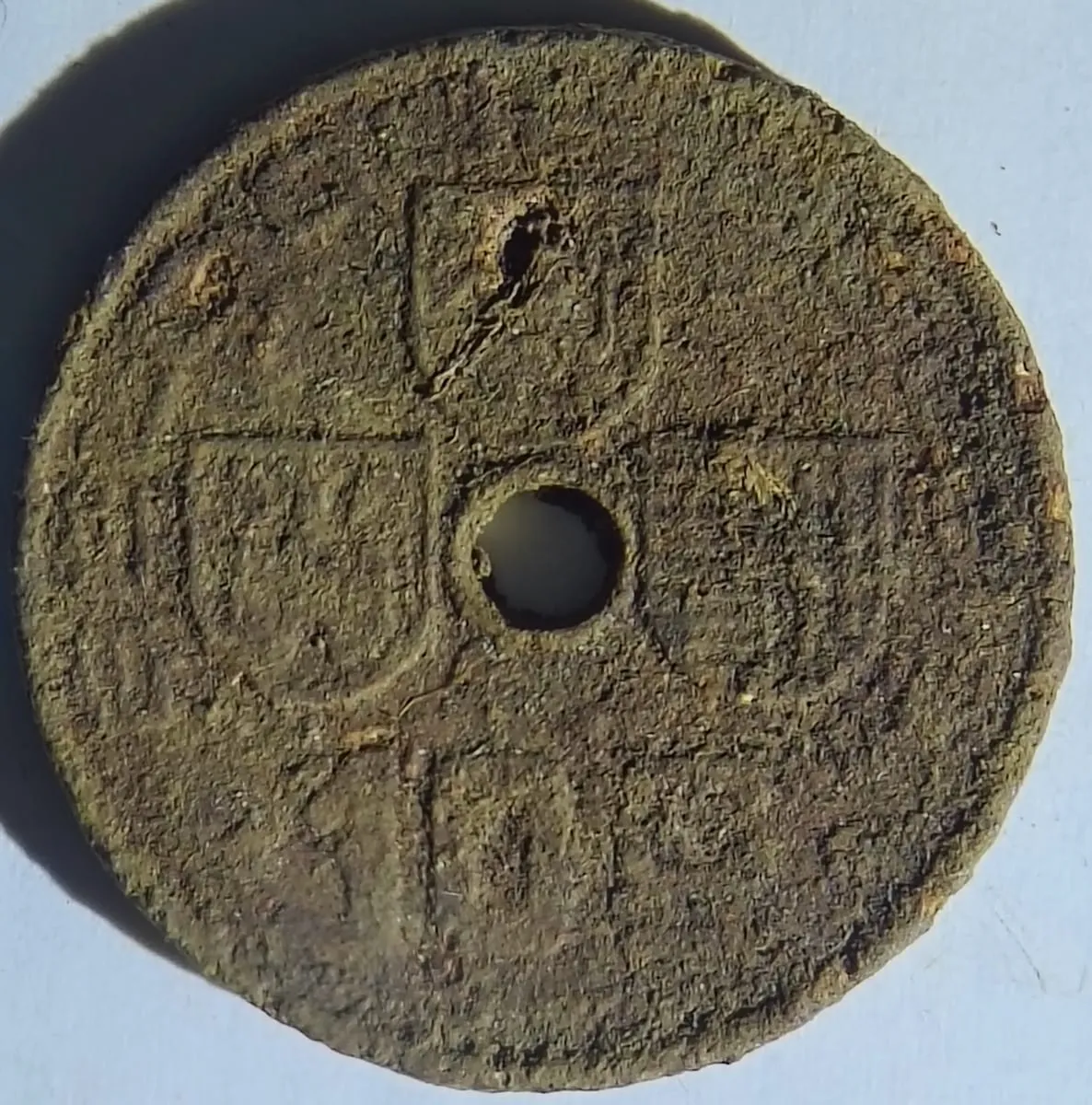
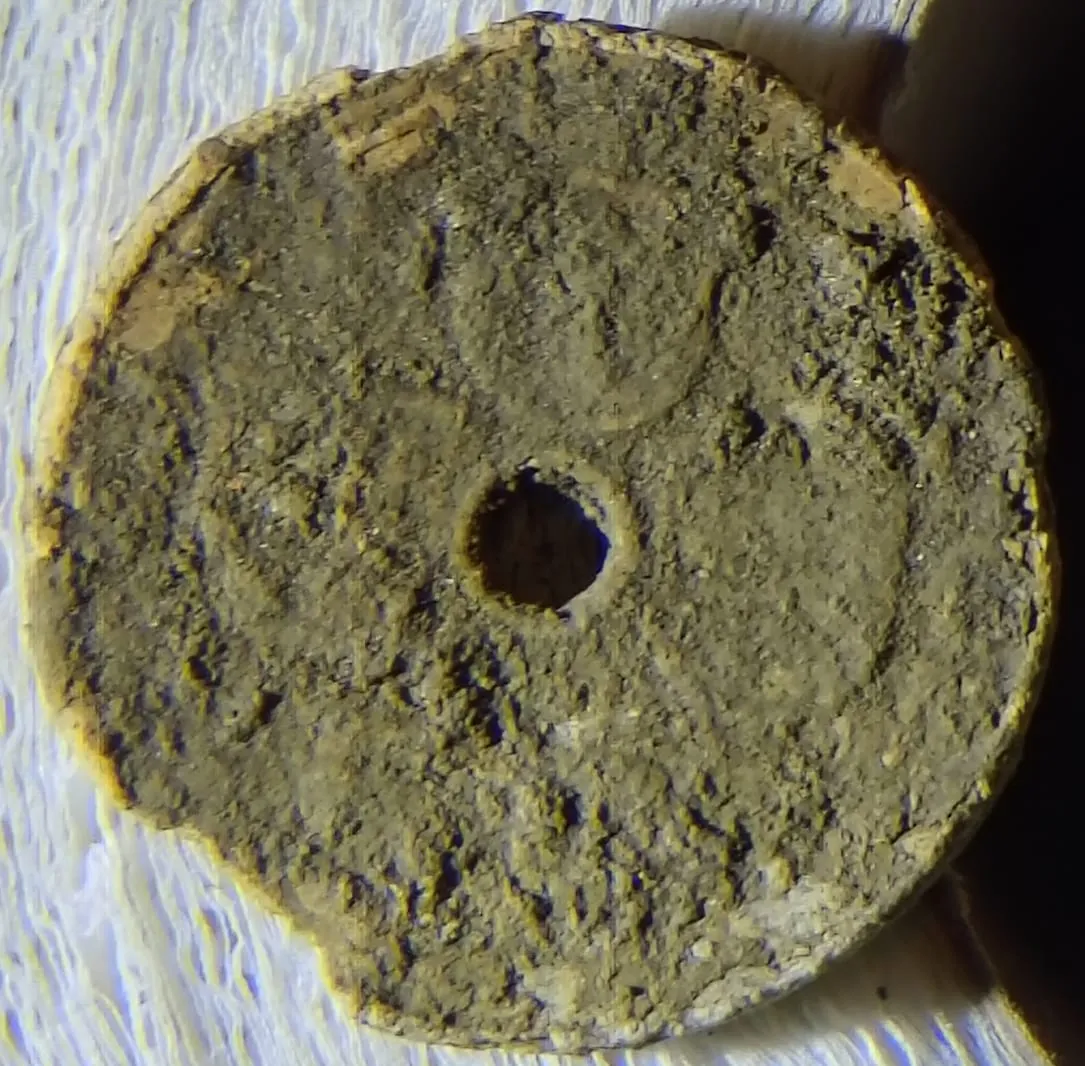
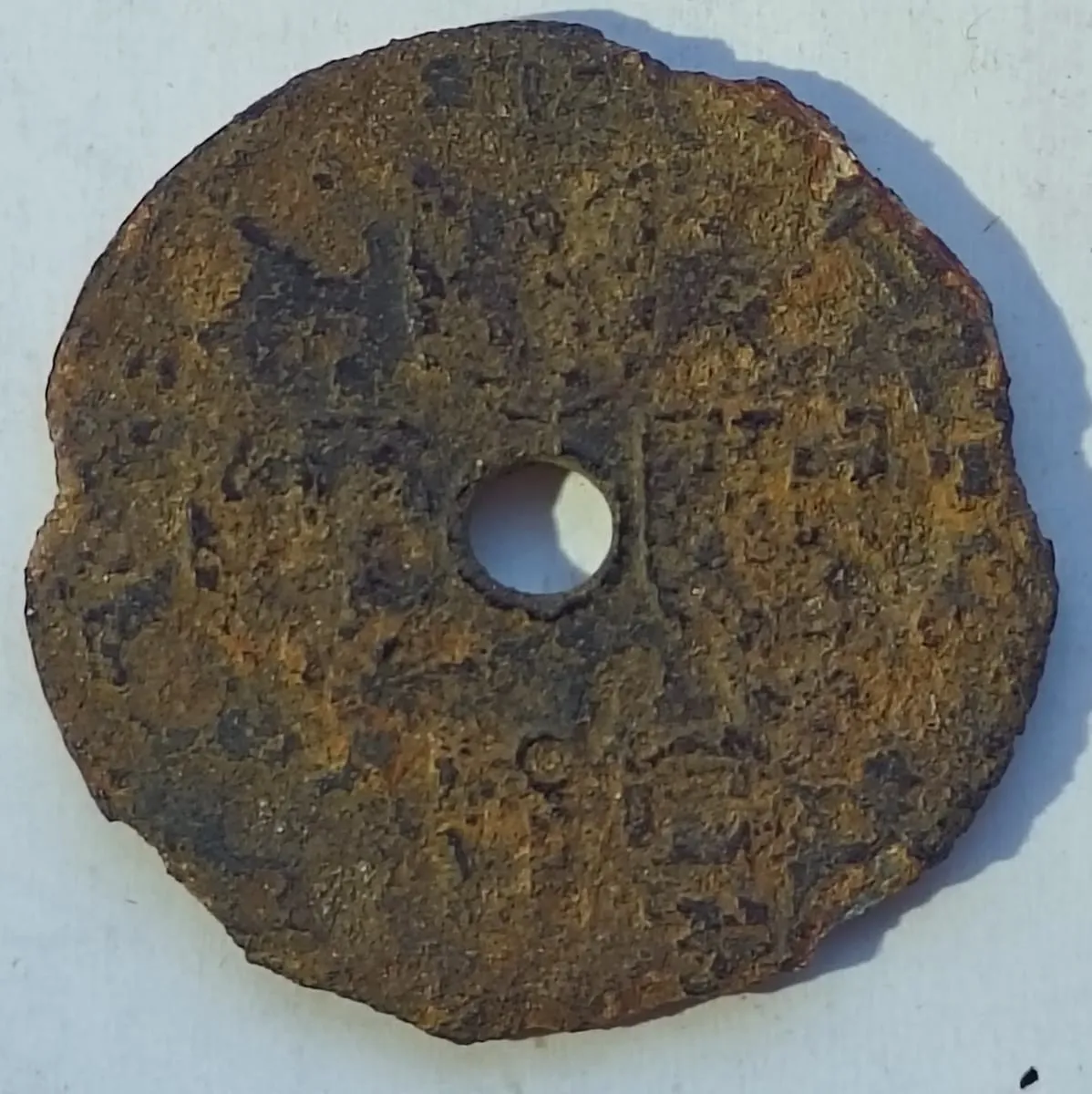
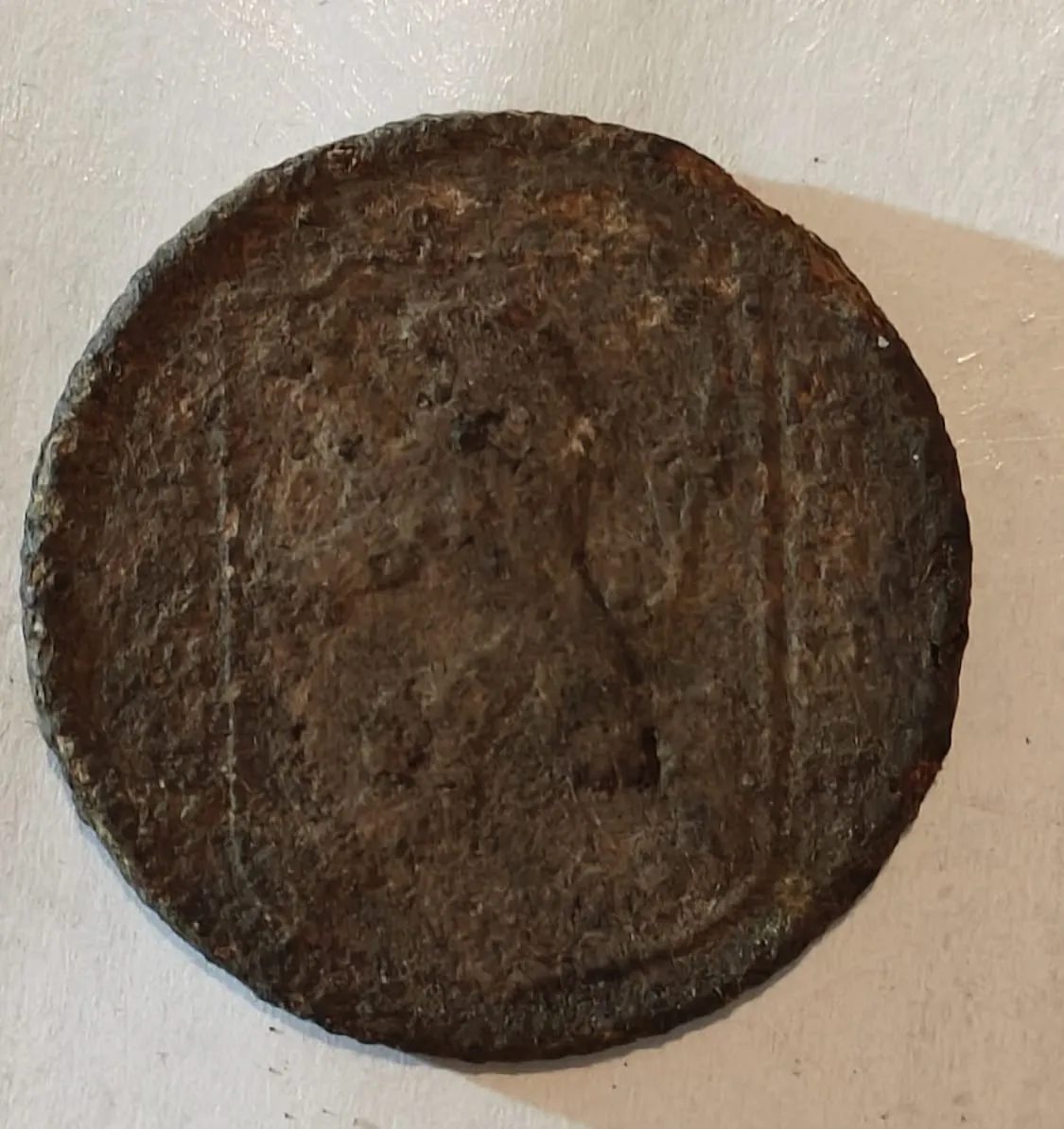
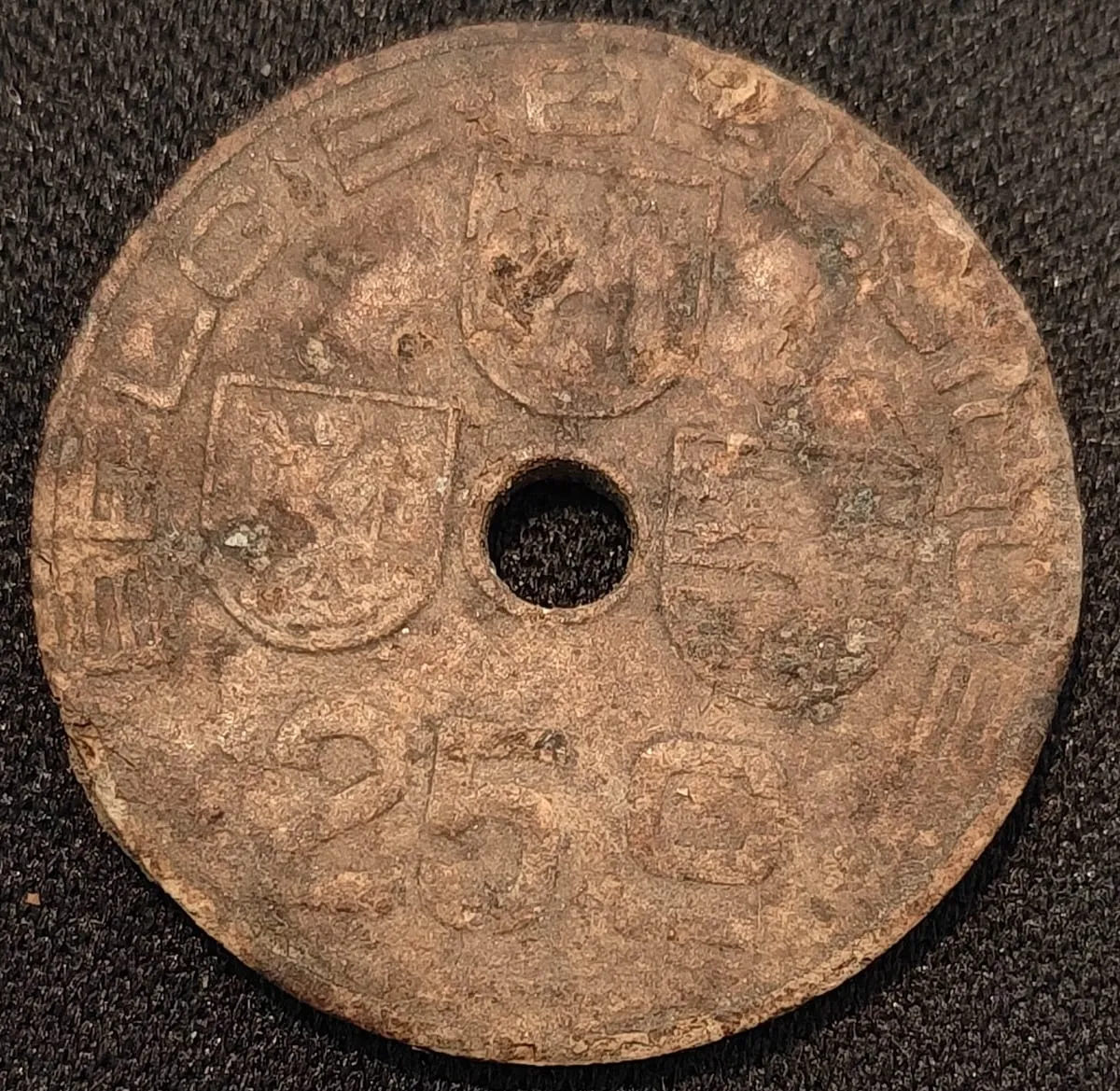
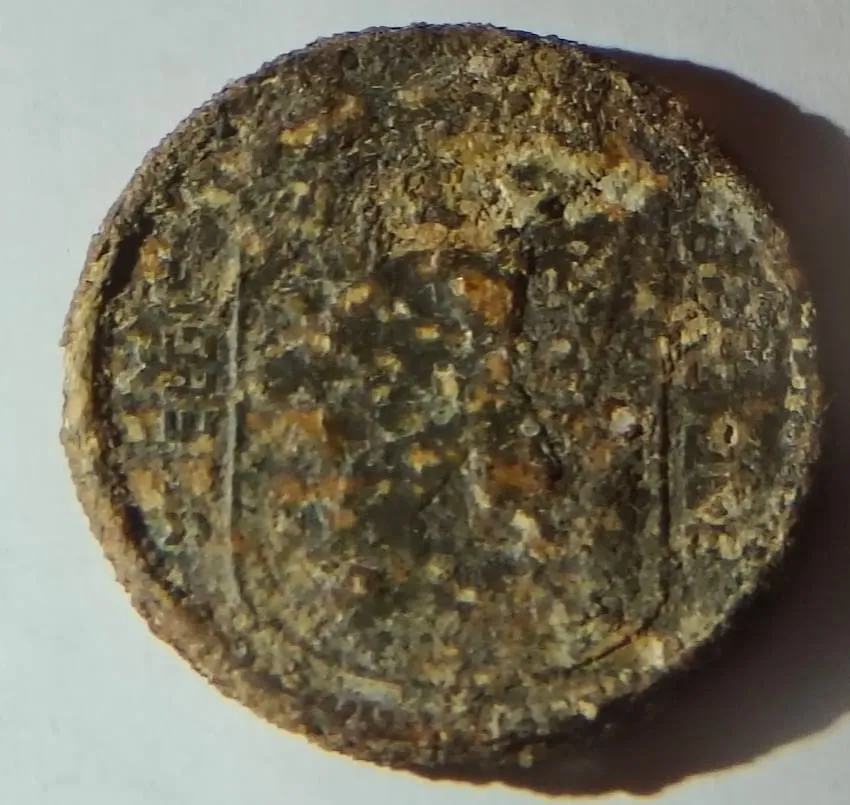
A selection of finds, documented and recorded by the rules.
What could it buy?Indicative
For this period in general, not for this coin in particular.
In 17th-century Antwerp (1601-1700) a master mason earned 72 to 78 pence groot a day in summer and 54 to 58.5 in winter. Counted at 60 pence groot to the gulden, that is 1.2 to 1.3 gulden, or 96 to 104 liards, per summer day. A liard was therefore roughly one hundredth of a master mason's summer day's pay. Indicative: one trade in one city, and the conversion to gulden is a unit of account, not a rate for any particular coin.
Confidence: medium
Sources:
- John Munro, Antwerp building craftsmen's wages 1400-1700 (AntwerpWage.xls) · University of Toronto; built on Herman Van der Wee's data. Wages in pence groot Brabant.
- John Munro, Money and Coinage in Late Medieval and Early Modern Europe · Lecture notes; source for 60 pence groot Brabant to the gulden.
What could it buy?Indicative
For this period in general, not for this coin in particular.
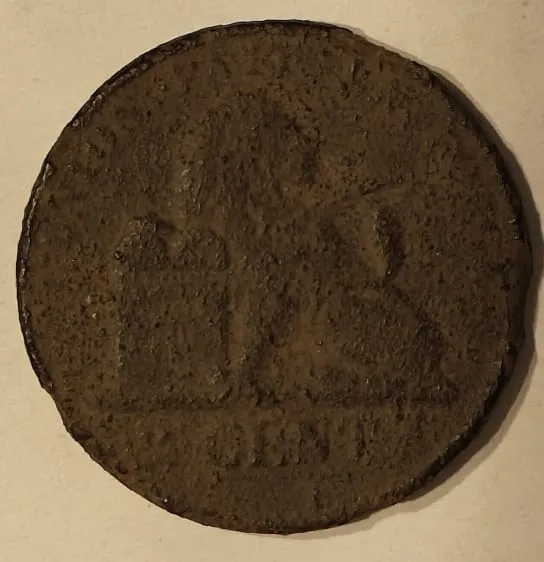
In Antwerp in 1780 labourers usually earned 8 to 10 stuivers a day, while a publication from that year said a family needed 12 stuivers a day. A stuiver is four liards (a liard is one eightieth of a florin of 20 stuivers), so an ordinary day's pay was 32 to 40 liards. A liard was therefore roughly one 32nd to one 40th of a day's pay. Indicative: one city and one year, from a secondary source.
Confidence: low
Sources:
- Denise de Weerdt, Loon- en levensvoorwaarden van de fabrieksarbeiders 1789-1850 · Antwerpen, S.M. Ontwikkeling; online transcription. Quotes an Antwerp publication of 1780.
What could it buy?Indicative
For this period in general, not for this coin in particular.
In Ghent a textile worker earned on average about 1.50 to 2 francs a day in 1811-1812 (0.75 to 1.80 francs in flax spinning), and a weaver in a cotton mill 2 francs a day on 1 August 1830. A day's pay was therefore about 150 to 200 centimes. Indicative: factory wages in one city. The Dutch cents of the Dutch regime were counted in guilders and are not converted to francs here.
Confidence: low
Sources:
- Denise de Weerdt, Loon- en levensvoorwaarden van de fabrieksarbeiders 1789-1850 · Antwerpen, S.M. Ontwikkeling; online transcription. Ghent averages 1811-1812 and a weaver's wage in 1830.
What could it buy?Indicative
For this period in general, not for this coin in particular.
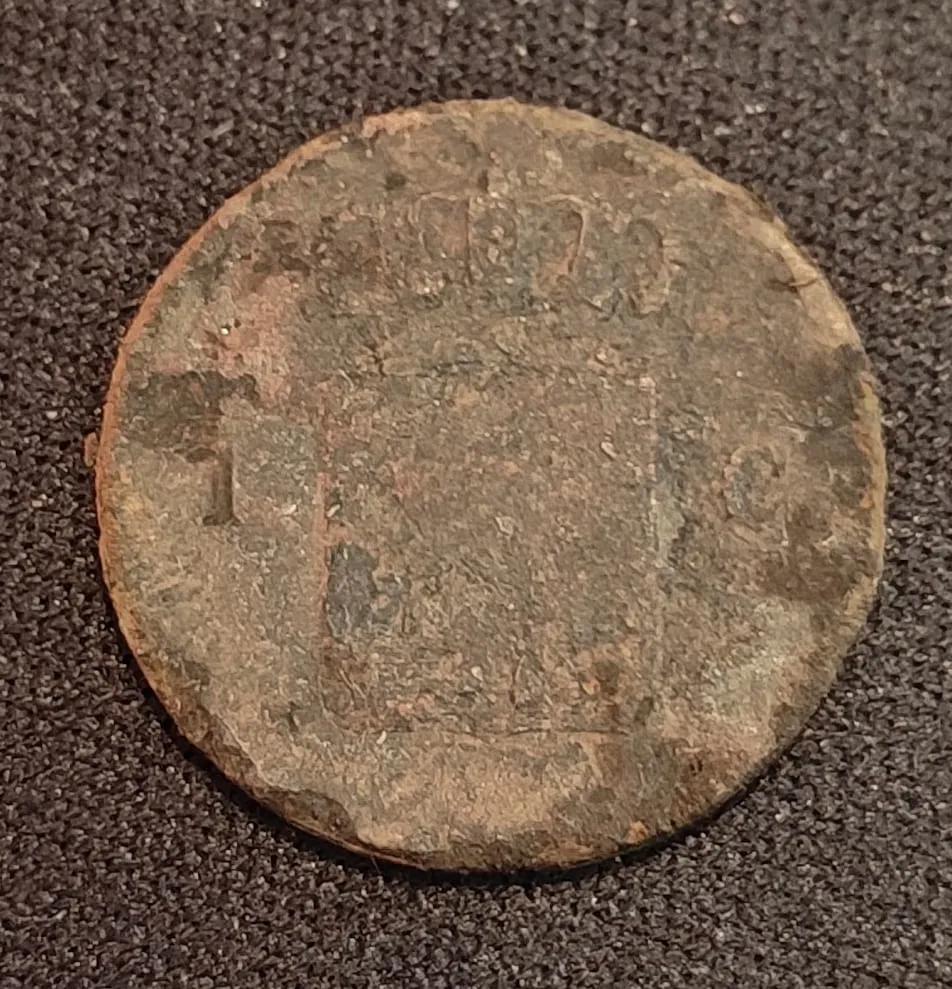
In the 1840s a man in Belgian industry earned on average about 1.56 francs a day (0.80 franc in the flax industry). A 1-centime piece was therefore roughly one 150th of such a day's pay. Indicative: the figures come from one 1846 enquiry and do not hold for every region or sector.
Confidence: medium
Sources:
- Denise de Weerdt, Loon- en levensvoorwaarden van de fabrieksarbeiders 1789-1850 · Antwerpen, S.M. Ontwikkeling; online transcription. Wages from an 1846 enquiry.
What could it buy?Indicative
For this period in general, not for this coin in particular.
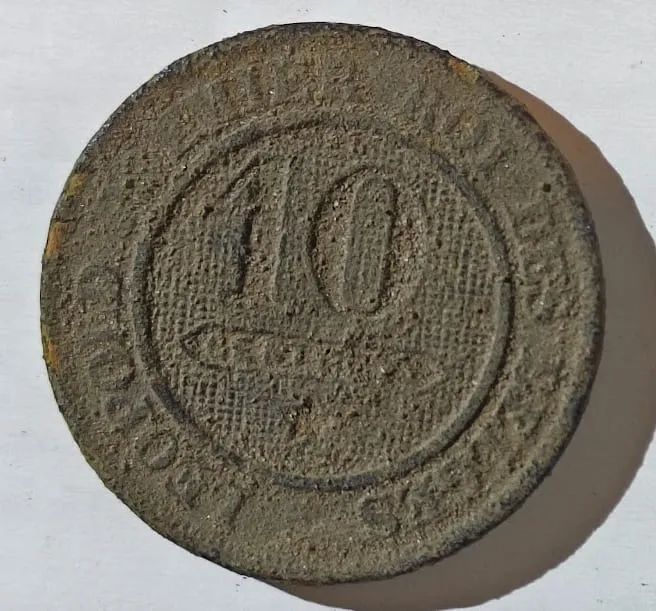
In 1896 an adult worker in Belgium earned on average between 2 and 4.50 francs a day (underground miners 3 to 5 francs, in 1900 4 to 7.50). In Brussels a skilled building worker earned 0.41 francs an hour in 1898, an unskilled one 0.27. A 10-centime piece was therefore roughly one 20th to one 45th of a day's pay. Indicative: the figures are ranges by sector and do not hold for every region.
Confidence: medium
Sources:
- Denise de Weerdt, De arbeiderstoestanden van 1876 tot 1914 · Antwerpen, S.M. Ontwikkeling; online transcription. Office du Travail enquiry of 1896 and 1900.
- Peter Scholliers, Loonontwikkeling, conjunctuur en arbeidsverhoudingen in het bouwvak in Brussel en Parijs, 1855-1940 · Belgisch Tijdschrift voor Nieuwste Geschiedenis 21 (1990), 1-2, pp. 1-47. Hourly wages 1898.
What could it buy?Indicative
For this period in general, not for this coin in particular.
In Brussels building workers earned 1.00 franc an hour (unskilled) and 1.18 francs (skilled) in 1919, 160 and 130 per cent more than in 1914. In 1939 hourly wages in Brussels building were about 60 per cent above 1914. A 25-centime piece was therefore in 1919 a quarter of an unskilled building worker's hourly pay. Indicative: one trade in one city, and prices rose sharply in the same years.
Confidence: medium
Sources:
- Peter Scholliers, Loonontwikkeling, conjunctuur en arbeidsverhoudingen in het bouwvak in Brussel en Parijs, 1855-1940 · Belgisch Tijdschrift voor Nieuwste Geschiedenis 21 (1990), 1-2, pp. 1-47. Wages 1919 and the 1914-1939 trend.
What could it buy?Indicative
For this period in general, not for this coin in particular.
In the first quarter of 1946 Belgian male industrial workers earned on average 14.40 francs an hour, women 8.45. The legal minimum for adult male labourers had been 9.60 francs an hour since September 1945 and became 12 francs in August 1946. A 1-franc piece was therefore about one 14th of an hour's pay, or a little over four minutes of work. Indicative: this describes only 1946-1947 in Belgium.
Confidence: medium
Sources:
- US Bureau of Labor Statistics, Wage Trends and Wage Policies: Various Foreign Countries (Bulletin No. 934) · Washington, 1948; Belgium chapter, "Wage Trends and Wage Policies, 1939-47". Based on National Office of Social Security data.











No finds match these filters.